
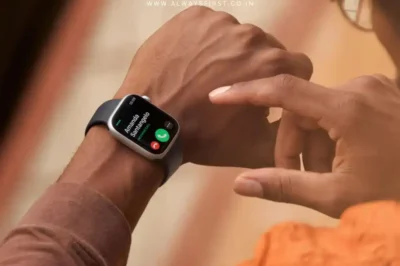
In Shorts
- The latest Apple Watch models are equipped with sophisticated sensors capable of monitoring vital signs like blood oxygen, ECG, and sleep patterns.
- This data empowers users with proactive health insights, potentially enabling early detection of issues like atrial fibrillation (AFib).
- The technology points towards a future where wearables could be integral to remote patient monitoring and personalized medical advice.
AlwaysFirst News – What began as an extension of the iPhone has steadily transformed into something far more critical. The Apple Watch, once a novelty, is now at the forefront of a seismic shift in how we monitor and manage our health, positioning itself as a central player in the future of wearable medical technology.
The journey from a simple fitness tracker to a sophisticated health monitor has been marked by significant technological leaps. Modern Apple Watches are equipped with an array of sensors that go far beyond counting steps. They can now perform an electrocardiogram (ECG) to check for signs of atrial fibrillation, measure blood oxygen levels, track sleep stages with precision, and even detect hard falls with an option to automatically call emergency services. These features are moving the device from the realm of “wellness” into the sphere of “health,” providing data that was once only accessible in a clinical setting.
This democratization of health data is empowering individuals to take a more proactive role in their well-being. Instead of waiting for an annual check-up, users can get a constant, passive stream of information about their body. For many, an irregular rhythm notification or a concerning blood oxygen reading has been the first indicator of a underlying health issue, prompting them to seek medical advice sooner. This shift towards preemptive care has the potential to alleviate pressure on healthcare systems and improve long-term patient outcomes.
Looking ahead, the potential applications are even more groundbreaking. Industry analysts suggest the future could see non-invasive blood glucose monitoring, a holy grail for diabetics, or continuous blood pressure tracking. Such advancements would cement the wearable’s place not just as a consumer gadget, but as an essential medical tool for remote patient monitoring, allowing doctors to keep a virtual eye on chronically ill patients from the comfort of their homes.
However, this future is not without its challenges. The immense amount of sensitive health data generated by these devices raises critical questions about privacy, data security, and regulatory approval. As companies like Apple navigate the complex landscape of medical device certification, the balance between innovation and user safety remains paramount. Despite these hurdles, the trajectory is clear: the Apple Watch is leading the charge in turning our wrists into a first line of defense for our health.





































Leave a Reply