
In Shorts:
- Pakistan has officially invited the Trump administration to develop a new port at Gwadar on the Arabian Sea.
- The proposal is a strategic maneuver to counter India’s growing influence through its Chabahar port in Iran.
- This move could potentially reshape regional alliances and trade dynamics, drawing the U.S. deeper into Indo-Pacific rivalries.
AlwaysFirst Exclusive
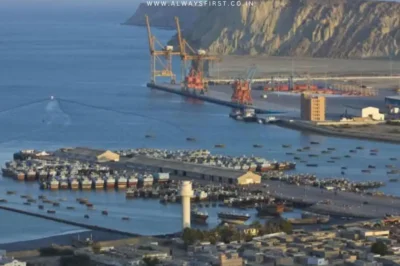
In a bold geopolitical play, Pakistan has extended a formal invitation to the administration of former U.S. President Donald Trump, proposing a joint venture to develop a deep-sea port on the Arabian Sea coast. The proposed site at Gwadar, situated a mere 70 kilometers from the Indian border, is being positioned as a strategic counterweight to India’s flagship Chabahar port project in neighboring Iran.
According to sources familiar with the high-level proposal, Islamabad has pitched the Gwadar port development as a mutually beneficial enterprise. The plan envisions significant U.S. investment in infrastructure, which Pakistan claims would bolster regional trade and economic stability. For the United States, a stake in Gwadar would offer a strategic foothold in a crucial maritime domain, potentially offsetting the influence of both Iran and China in the region.
The shadow of India’s Chabahar port looms large over this proposal. Developed by India in Iran, the Chabahar port is a cornerstone of New Delhi’s foreign policy, providing a vital trade link to landlocked Afghanistan and Central Asia while bypassing its rival, Pakistan. Pakistan’s direct appeal to Washington is widely interpreted as an attempt to reframe the regional competition and draw the U.S. into its own economic and strategic orbit.
“This is more than just a port proposal; it’s a strategic chess move,” says a senior analyst speaking to AlwaysFirst on condition of anonymity. “Pakistan is essentially offering the U.S. an alternative to Chabahar, attempting to create a new pole of influence. The critical question is whether Washington sees more value in countering Iran with India, or in forging a new, albeit complex, partnership with Pakistan.”
The development also adds a new layer to the China-Pakistan Economic Corridor (CPEC), of which Gwadar is a central pillar. While the current proposal is directed at the U.S., it remains to be seen how China, Pakistan’s closest ally, would react to significant American involvement in a key CPEC asset.
As of now, there has been no official public response from the Trump camp or the current U.S. administration. However, this proposition from Islamabad undoubtedly sets the stage for a significant recalibration of power, partnerships, and port politics in the strategically volatile waters of the Arabian Sea.




































Leave a Reply