
In Shorts
- India has officially rejected the UK’s latest sanctions on global energy trade, labeling them as “unilateral” and unacceptable.
- The government defended its right to secure affordable energy for its citizens, implicitly referencing its continued import of Russian crude oil.
- This stance reinforces India’s position as an independent global power that formulates policy based on its own national interest.
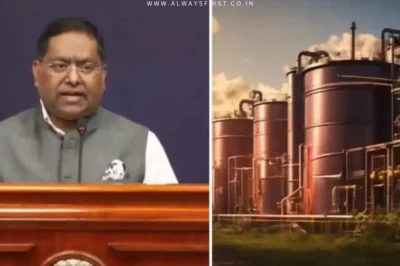
NEW DELHI – In a robust diplomatic statement that has captured international attention, the Indian government has delivered a firm rebuttal to the United Kingdom, rejecting its latest set of sanctions on international energy trade. The move signals a hardening of New Delhi’s position and a clear message to Western nations: India’s economic and energy policies are not subject to external diktats.
The confrontation arose after the UK government announced a new sanctions package aimed at curtailing revenue flows supporting Russia’s military actions, which included measures impacting the global energy sector. India, which has significantly increased its import of discounted Russian crude oil following the Ukraine conflict, was directly in the crosshairs of this policy.
“We have made our position very clear. We do not accept unilateral sanctions,” a senior government official was quoted as stating, echoing the sentiment at the highest levels of the Indian administration. The core of India’s argument rests on the principle that such coercive measures, imposed without the mandate of the United Nations, lack legal and moral legitimacy. Officials emphasized that the country’s foreign policy is, and will remain, driven solely by its national interest.
The standoff highlights a critical geopolitical divergence. While Western nations have sought to build a unified economic front against Moscow, India has steadfastly prioritized its own energy security and economic stability. By securing affordable oil from Russia, New Delhi has managed to insulate its economy from the inflationary shocks that have rocked other nations, a point it subtly underscores in its defense.
This is not the first time India has defended its energy purchases, but the language used in this latest rejection is notably more assertive. Analysts see this as a reflection of India’s growing confidence on the world stage and its determination to be recognized as a sovereign power that will not be swayed by unilateral pressure. The message from the subcontinent is unequivocal: when it comes to securing the needs of its 1.4 billion people, India will always put itself first.






































Leave a Reply