
In Shorts
- Premature graying may be linked to a Vitamin B12 deficiency, crucial for hair pigment and health.
- A lack of B12 can disrupt melanocyte function, the cells responsible for producing hair color.
- Addressing the deficiency through diet or supplements could help restore natural color in some cases.
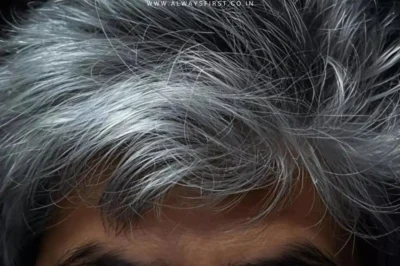
For generations, gray hair has been accepted as an inevitable hallmark of getting older. But what if those silver strands appearing prematurely were your body’s way of sending a distinct health alert? A growing body of medical opinion suggests that premature graying could be a visible signal of a critical nutritional deficiency, with Vitamin B12 emerging as the primary suspect.
The science behind hair color revolves around melanocytes, the specialized cells in our hair follicles that produce the pigment melanin. For rich, vibrant color to manifest, these cells need to be healthy and active. Vitamin B12 plays a fundamental role in this process. It is vital for healthy nerve function and DNA synthesis, which includes the division and health of melanocyte cells.
“When the body is deficient in Vitamin B12, several systems can go haywire, and one of the more visible manifestations can be in the hair,” explains a dermatologist quoted in the source material. “A sustained deficiency can essentially starve the melanocytes, leading to a drop in pigment production. The result is hair that grows in without its natural color – that is, gray or white.”
This connection is particularly significant for individuals who notice a significant amount of gray hair before the age of 30 for Caucasians and before 40 for people of African and Asian descent. While genetics remain the dominant factor in when we go gray, the sudden or early onset of canities—the medical term for graying hair—warrants a closer look at one’s nutritional status.
Beyond Aesthetics: A Sign of a Larger Issue
The implication here is profound. Gray hair, in this context, shifts from a cosmetic concern to a potential canary in the coal mine for overall health. A Vitamin B12 deficiency can lead to a host of other serious symptoms, including chronic fatigue, weakness, pins-and-needles sensations, and even cognitive disturbances like memory loss.
The good news is that this is often an addressable issue. Vitamin B12 is readily available in animal-based foods like meat, fish, poultry, eggs, and dairy. For vegans, vegetarians, or those with absorption issues (such as individuals with pernicious anemia), fortified foods and supplements can effectively bridge the gap.
Medical professionals advise that anyone experiencing premature graying alongside other symptoms like persistent fatigue should consult a doctor. A simple blood test can confirm B12 levels. While reversing graying is not guaranteed, correcting the deficiency can improve overall health and, in some reported cases, help restore natural hair pigmentation. It seems the key to managing those silver threads might not lie in a bottle of hair dye, but on your dinner plate or in a supplement advised by your physician.






































Leave a Reply