
In Shorts
- India and Brazil have agreed to work towards a substantial expansion of the existing Preferential Trade Agreement (PTA) with the Mercosur bloc.
- The initiative aims to drastically increase trade by slashing tariffs and broadening the scope of goods and services covered.
- This move is seen as a strategic effort to boost economic ties between major emerging economies and create resilient new supply chains.
NEW DELHI/BRASILIA – In a powerful display of South-South cooperation, India and Brazil have set a definitive course to revitalize and dramatically expand a key trade pact, signaling a new chapter in intercontinental economic partnership. The decision, emerging from high-level diplomatic talks, targets a comprehensive enhancement of the India-Mercosur Preferential Trade Agreement (PTA), a deal with untapped potential that now stands poised for a major upgrade.
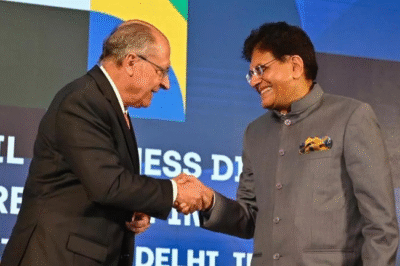
The momentum for this breakthrough was fueled by a pivotal meeting between India’s Prime Minister Narendra Modi and Brazil’s President Luiz Inácio Lula da Silva. Both leaders underscored the critical need to not only revisit the existing framework but to ambitiously broaden its horizons. The shared objective is clear: to transform the current limited-tariff preference model into a far more extensive and robust economic partnership that reflects the burgeoning trade potential between India and the Mercosur bloc, which includes Brazil, Argentina, Paraguay, and Uruguay.
“This isn’t just a minor adjustment; it’s a strategic overhaul,” explained a senior trade official familiar with the negotiations. “We are looking at a significant expansion of the product lines covered, with a goal to dismantle a wider range of tariff barriers that have historically hindered trade flow. The focus is on creating a more fluid and dynamic exchange of goods that benefits industries and consumers on both sides.”
The push for a deeper economic relationship is rooted in compelling data and shared ambition. Bilateral trade between India and Brazil has already shown impressive growth, soaring to approximately $16 billion in the recent fiscal year. However, analysts believe this figure represents only a fraction of the true potential. The current PTA, operational for years, has been widely acknowledged as needing modernization to keep pace with the evolving global economic landscape and the strategic interests of its members.
For India, a fortified pact with Mercosur opens doors to the vast South American markets for its pharmaceuticals, automobiles, software services, and engineering goods. Conversely, Mercosur nations, rich in agricultural and mineral resources, stand to gain more stable and preferential access for their soy oil, corn, and other key commodities to India’s massive consumer base. This synergy is viewed as a cornerstone for building more resilient and diversified supply chains, reducing over-reliance on traditional partners.
As the world witnesses a recalibration of global trade alliances, this reinforced partnership between India and the Mercosur bloc marks a significant geopolitical and economic maneuver. The coming months are expected to see intensified negotiations as both sides work to translate this high-level commitment into a concrete and transformative trade agreement.


































Leave a Reply