
In Shorts:
- A Shifting Focus: The G20 talks are expected to pivot decisively towards the economic priorities of developing nations, often referred to as the ‘Global South’.
- India’s Key Role: As the current president, India is positioned to champion issues like food, fuel, and fertilizer security, building on its Delhi Declaration success.
- Multilateral Reform on the Table: A major push for reforming international institutions like the UN is anticipated, reflecting the demand for a more inclusive global governance structure.
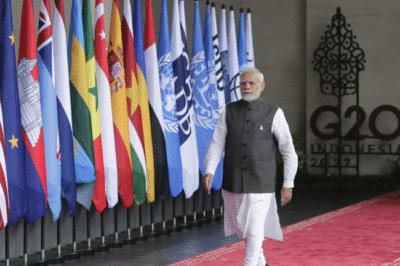
CAPE TOWN – The geopolitical spotlight shifts to South Africa this week as foreign ministers from the world’s most powerful economies gather for a pivotal G20 meeting. For India, which currently holds the presidency of the bloc, the summit represents a critical opportunity to consolidate its leadership role and steer the global conversation towards the pressing needs of the developing world.
The agenda in Cape Town is expected to be markedly different from G20 summits of the recent past. With the era of Trump-era protectionism receding and new global challenges emerging, the forum is undergoing a significant recalibration. The focus has decisively pivoted towards the “Global South”—a term encompassing nations across Africa, Asia, and Latin America that are demanding a greater voice in international diplomacy.
According to sources, India’s diplomatic corps, led by External Affairs Minister S. Jaishankar, will be pushing for tangible outcomes on issues that directly impact these economies. High on the list are the interconnected crises of food, fuel, and fertilizer security, which have been severely disrupted by ongoing conflicts and supply chain bottlenecks. The success of the Delhi Declaration, which managed to forge a consensus on these very issues, has given New Delhi significant momentum.
Beyond immediate economic stability, a broader and more ambitious goal is also in play: the reform of multilateral institutions. There is a growing, collective push from emerging economies to modernize legacy bodies like the United Nations. The aim is to create a global governance structure that better reflects the economic and demographic realities of the 21st century, rather than the post-World War II order.
Analysts suggest that India’s ability to act as a bridge between the developed West and the Global South will be its most valuable asset in Cape Town. The outcomes of this meeting are being closely watched as a barometer for the future of international cooperation. As one diplomatic source put it, “The world has changed. The G20 agenda is changing with it, and India is right at the center of that transformation.”





































Leave a Reply