
In Shorts
- India rejects US Commerce Secretary’s claim that a trade deal faltered due to lack of a call from PM Modi.
- MEA notes Modi and Trump spoke eight times in 2025 and negotiations were close on multiple occasions.
- New Delhi underscores continued interest in a balanced, mutually beneficial trade pact.
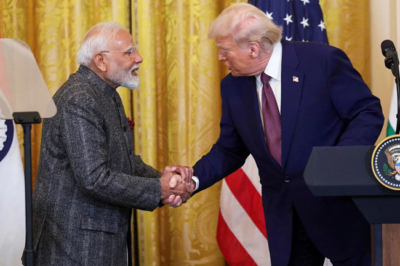
India has publicly rebutted comments made by the United States Commerce Secretary suggesting that a long-planned bilateral trade agreement was derailed because Prime Minister Narendra Modi did not place a personal call to former US President Donald Trump. The Ministry of External Affairs (MEA) on Friday described the characterisation of events as “not accurate” and stressed that communications between the two leaders were more extensive than claimed. In remarks that have drawn diplomatic attention, the US official asserted that India missed opportunities to finalise the pact and singled out the absence of a direct phone call as a key factor in the delay. Indian authorities have countered that narrative, pointing out that Modi and Trump engaged in telephone discussions on eight separate occasions during 2025, spanning a range of issues in the broader partnership between the two countries. MEA spokesperson Randhir Jaiswal, speaking at a press briefing, reiterated that India and the US were committed last year to negotiating a trade agreement and had conducted several rounds of talks. According to the official, discussions had been “close to a deal” multiple times, and New Delhi remains focused on achieving an outcome that benefits both economies. The exchange between Indian and US officials comes amid broader friction over tariffs and trade policy. Washington has imposed high duties on Indian imports, and there have been proposals in the US Congress to levy even steeper tariffs on nations that continue purchasing Russian energy products. These developments have added pressure to already stalled negotiations and influenced market sentiment. While the US version of events suggests that diplomatic timing and leadership engagement played a decisive role in the negotiations’ collapse, Indian authorities have rejected the notion that internal communication missteps were at fault. New Delhi continues to signal its interest in securing a fair and reciprocal trade arrangement, underlining that talks are rooted in shared economic interests rather than personal diplomacy.





































Leave a Reply