
In Shorts
- Danish PM travels to Greenland after U.S. comments spark diplomatic tensions.
- Copenhagen and Nuuk insist sovereignty is non-negotiable.
- Discussions to focus on Arctic security and alliance cooperation.
COPENHAGEN, Denmark
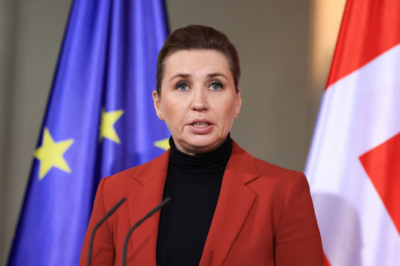
Denmark’s prime minister, Mette Frederiksen, is flying to the Greenland capital of Nuuk to meet with Greenland’s head of government, Jens-Frederik Nielsen, after recent remarks by U.S. President Donald Trump stirred diplomatic tension. The discussions come as Nordic and Western allies navigate a sensitive moment focused on Arctic security, territorial integrity, and future cooperation.
Frederiksen’s visit follows a broad diplomatic effort that included talks in Brussels with NATO Secretary-General Mark Rutte, where alliance members agreed on the need to bolster security across the Arctic region. The NATO meeting also saw Trump and Rutte outline a framework for future cooperation in Greenland, though details of that agreement remain limited and somewhat opaque.
Despite the purported framework, both Denmark and Greenland have emphasized that sovereignty cannot be compromised. Frederiksen and Greenland authorities have made clear that no final decisions regarding the island’s status or strategic partnerships can proceed without their full involvement. Greenland’s government insists that both its people and Denmark must be central to any negotiations, rejecting outside pressures or assumptions about control of the territory.
The trip to Nuuk highlights a coordinated Scandinavian response to external pressure. Denmark is pushing for constructive dialogue with allies, including the U.S., on shared interests such as Arctic defense. However, Copenhagen has insisted that territorial integrity and self-determination are red lines that cannot be crossed in any security agreement.
In public statements, Danish officials have underscored that current treaties already allow for enhanced cooperation, provided that Greenland and Denmark consent to any arrangements. They also noted that NATO does not have authority to negotiate on behalf of member states when it comes to matters of sovereignty.
As Frederiksen and Nielsen prepare for their meeting, international attention remains fixed on how European and transatlantic partners balance shared security goals with respect for national autonomy. The outcome could influence not only Arctic defense policy but also broader diplomatic relations between the U.S., Europe, and Nordic nations in a region rapidly gaining global strategic importance.



































Leave a Reply