
Shorts
- India says it can easily import over $500 billion in US goods in five years.
- Aviation, energy and tech sectors expected to drive most purchases.
- Government describes the figure as conservative amid broader trade pact framework.
India is positioning itself to significantly increase purchases from the United States over the next five years, with Union Commerce and Industry Minister Piyush Goyal stating that acquiring goods valued at more than $500 billion will not be difficult for the country’s rapidly growing economy.
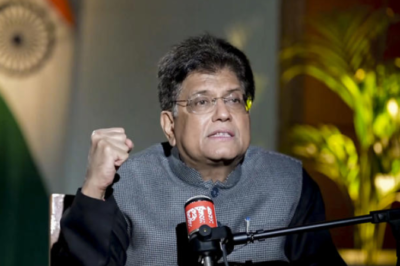
Speaking to PTI Videos, Goyal described the $500 billion target under a new bilateral trade pact as “extremely conservative”, reflecting not a limit but a baseline for India’s import demand. He suggested actual purchases could exceed that figure as India’s overall import requirement swells toward an estimated $2 trillion over five years.
What India Plans to Buy
According to the joint framework statement, the imports will span a diverse mix of products, including:
- Energy goods such as LNG, LPG and crude oil
- Aircraft and aircraft parts
- Precious metals and advanced technology products
- Coking coal for steel production
Goyal pointed out that India already places large orders, including about $50 billion worth of Boeing aircraft and related engines, and expects aviation needs alone to exceed $100 billion in the coming years.
Why the Target Is Seen as Achievable
India currently imports between $45 billion and $50 billion worth of goods from the US annually in categories where domestic manufacturing is limited. Goyal noted that even larger volumes of goods India presently sources from other countries could be shifted to American suppliers if they remain competitively priced.
Additionally, strategic initiatives on digital infrastructure — including 10 gigawatts of planned data centre capacity — and investment in artificial intelligence and critical manufacturing are expected to further drive demand for specialized technology from the US.
Trade Framework and Safeguards
While expanding imports, the joint trade framework also incorporates safeguards designed to protect sensitive Indian sectors. Goyal emphasised that both sides have negotiated protections for agricultural and dairy products, ensuring these areas are shielded from sudden competition.
The broader India-US trade pact is still evolving, with final details and tariffs still in negotiation. But current agreements envisage reciprocal tariff reductions and structured market access, which the Indian government says will benefit both exporters and domestic consumers.
Economic Context
This ambitious import goal comes amid India’s broader trade push and economic expansion, as New Delhi seeks deeper integration with global markets and partners well beyond the United States.






































Leave a Reply