
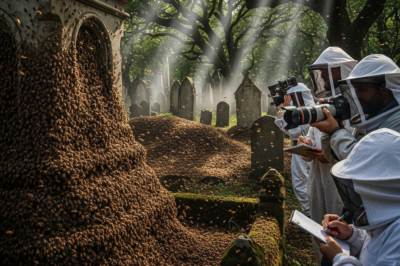
In a discovery that sounds like something out of a gothic novel, scientists and professional beekeepers have uncovered a staggering colony of 5.6 million honeybees living beneath the soil of a historic New York State cemetery. This massive subterranean hive has left experts stunned by its scale and the complexity of its structure within such an unconventional environment.
The Scale of the Hidden Colony
The discovery was made during routine maintenance when unusual activity was noted near specific burial plots. Upon further investigation, researchers found that the honeybees had established a sprawling network of hives deep underground. While honeybees typically prefer elevated hollows in trees or man-made structures, this specific population adapted to the unique subterranean conditions of the cemetery, creating a massive, interconnected ecosystem estimated to house millions of individual insects.
Ecological Impact and Safe Relocation Efforts
Experts emphasize that while the sheer number of bees is intimidating, their presence is a sign of a healthy local environment. The cemetery’s quiet, undisturbed nature provided a perfect sanctuary for the pollinators. Scientists are currently working on a meticulous relocation plan to move the colony to a more sustainable habitat where they can continue their vital role in the ecosystem without interfering with the sanctity of the memorial grounds. This find highlights the resilience of bee populations and their ability to thrive in unexpected urban pockets.
As urban development continues to squeeze natural habitats, this discovery serves as a reminder of how wildlife adapts in the most surprising ways. The preservation of these 5.6 million bees is now a priority for local conservationists, ensuring that this record-breaking colony continues to support the local flora for years to come.







































Leave a Reply