
Key Highlights
- Slowing Economic Growth:
- India’s GDP growth for 2024-25 is expected to dip to 6.4%, the slowest in four years.
- Urban consumption remains sluggish due to higher interest rates and reduced retail lending, contrasting rural-driven demand.
- Salaried Class Under Pressure:
- Personal income tax collections, a major contributor to direct taxes, surged by 23.5% in the first eight months of FY25.
- Economists suggest easing the tax burden on individuals earning between ₹10 lakh and ₹50 lakh to stimulate urban spending.
- Government Spending Trends:
- Capital expenditure contracted by 12% to ₹5.1 lakh crore, raising concerns about meeting the capex target of ₹11.11 lakh crore.
- Total government spending grew at a decade-low pace of 3.3%.
Potential Benefits of a Tax Cut
- Boosting Urban Consumption:
- Reducing taxes would increase disposable income, spurring demand in FMCG, retail, and housing sectors.
- Manufacturing and automobile sales indicate a demand slowdown, signaling the need for stronger consumption stimuli.
- Enhancing Savings and Investments:
- A tax cut could foster greater household savings, driving investments and overall economic growth.
- Alignment with Fiscal Goals:
- Measures would aim to stimulate consumption while maintaining a sustainable fiscal deficit target of 4.5% by FY26, as outlined in 2021.
Expert Opinions
- Relief for the Middle Class:
- Experts advocate tax relief for earners between ₹10 lakh and ₹15 lakh, given their role in consumption-driven growth.
- Aarti Raote of Deloitte suggests balancing reduced taxes with revenue needs to avoid fiscal strain.
- Focus on New Tax Regime:
- The government has been incentivizing the new tax regime, but experts urge extending some benefits to those still in the old system to ensure a smoother transition.
- Recommendations include increasing standard deductions and revisiting exemptions for expenses like house rent and Chapter VI A deductions.
- Balancing Inclusivity:
- A parallel approach enhancing both the old and new tax regimes could cater to diverse taxpayer preferences.
Challenges and Considerations
- Fiscal Space Limitations:
- The government may face constraints in providing significant tax cuts, leading to a preference for incremental changes.
- Long-Term Sustainability:
- Rationalizing tax relief while ensuring economic stability and sustainable fiscal policies will be critical.
Outlook
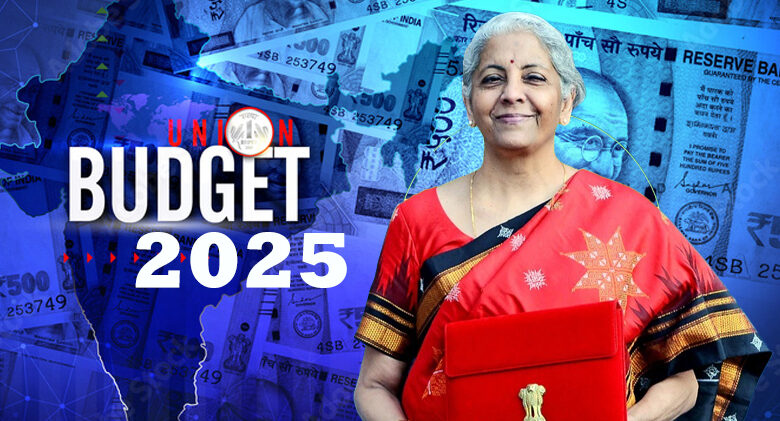
The Union Budget 2025 could adopt a measured approach to ease the tax burden on the salaried class while addressing consumption challenges in urban areas. While sweeping changes seem unlikely, incremental tax reforms—targeted primarily at middle-income earners—could pave the way for balanced growth and fiscal sustainability.






































Leave a Reply