
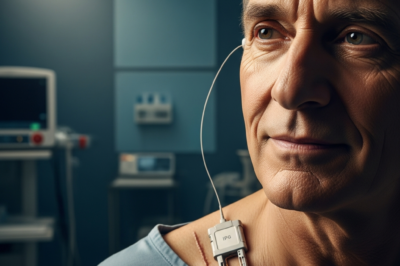
In a significant medical breakthrough, Wockhardt Hospitals has successfully utilized Deep Brain Stimulation (DBS) to provide life-changing relief for a patient suffering from advanced Parkinson’s disease. This advanced neurological procedure highlights the hospital’s commitment to integrating cutting-edge technology with expert clinical care to tackle complex movement disorders that often leave patients with limited options.
The Science Behind Deep Brain Stimulation (DBS)
Deep Brain Stimulation is a sophisticated neurosurgical procedure that involves the implantation of electrodes within specific areas of the brain. These electrodes produce electrical impulses that regulate abnormal impulses, effectively acting like a pacemaker for the brain. For patients with advanced Parkinson’s, where traditional medication often leads to diminishing returns or severe side effects like dyskinesia, DBS offers a beacon of hope. The surgery can significantly reduce tremors, stiffness, and slowness of movement, allowing patients to regain control over their daily activities and physical independence.
Restoring Quality of Life at Wockhardt
The recent case at Wockhardt Hospitals involved a patient who had been battling Parkinson’s for several years, reaching a stage where standard pharmacological therapies were no longer effective. Under the guidance of a multidisciplinary team of neurologists and neurosurgeons, the DBS procedure was executed with high precision. Post-surgery, the patient showed remarkable improvement in motor functions and a substantial reduction in the dosage of daily medications. This success story underscores the world-class clinical expertise available in India for treating neurodegenerative conditions that were once considered unmanageable.
As Parkinson’s disease continues to affect millions worldwide, the success of DBS at Wockhardt Hospitals serves as a crucial reminder of the potential of modern medical technology. By embracing such innovative surgical interventions, healthcare providers are not just treating symptoms but are fundamentally restoring the dignity and quality of life for those living with chronic neurological disorders.





































Leave a Reply