
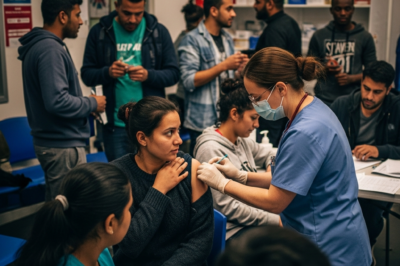
As the medical world nears the deployment of a new vaccine for gonorrhea, experts are sounding a critical alarm: technical success will mean little without social trust. A recent report featured in the European Medical Journal (EMJ) highlights that for any public health campaign to be truly effective, it must specifically address the unique barriers faced by migrant populations. As antibiotic-resistant strains of gonorrhea continue to rise globally, ensuring that vulnerable communities are not left behind is becoming a top priority for health organizations.
The Trust Deficit in Migrant Healthcare
For many migrants, interacting with official healthcare systems can be fraught with anxiety. Factors such as language barriers, fear of legal repercussions regarding residency status, and historical instances of medical neglect contribute to a deep-seated mistrust. The EMJ report suggests that these populations often avoid seeking preventative care or participating in vaccination programs due to these systemic hurdles. Without a focused effort to dismantle these barriers, the gonorrhea vaccine rollout risks failing the very groups that may be at higher risk due to lack of access to traditional sexual health education and screening services.
Implementing Inclusive Vaccination Strategies
To overcome these challenges, public health experts advocate for a shift toward community-led outreach. This involves partnering with local NGOs and community leaders who already hold the trust of migrant groups. Communication must be available in multiple languages and delivered through culturally resonant channels. Furthermore, ensuring that vaccination centers are designated as safe spaces—where immigration status is never questioned—is essential for encouraging uptake. By treating migrant health as an integral part of the broader public health infrastructure, authorities can ensure a more comprehensive defense against the spread of STIs.
The upcoming rollout of the gonorrhea vaccine represents a milestone in science and technology. However, the ultimate success of this medical breakthrough depends on the ability of governments and health providers to foster inclusivity. By building trust today, we protect the global community tomorrow.






































Leave a Reply