

The capital city of Pakistan, Islamabad, was plunged into a state of profound grief and collective mourning following a catastrophic fire at a major medical facility that claimed the lives of at least 14 infants. This heartbreaking incident, which occurred in the early hours when the hospital was at its most vulnerable, has sent shockwaves through the nation and the international community alike. The victims, all neonates being treated in the intensive care unit, were unable to escape the rapidly spreading flames and suffocating smoke that engulfed the ward. This tragedy is not merely a localized accident but a stark reflection of the systemic failures, infrastructure neglect, and regulatory lapses that plague the public healthcare sector in the region. As families wait outside the charred remains of the neonatal unit, the narrative has shifted from one of sorrow to a demanding cry for accountability and immediate reform in fire safety protocols within medical institutions. This extensive report delves into the details of the incident, the underlying causes, the immediate aftermath, and the long-term implications for Pakistan’s healthcare system.
The Fateful Incident: A Chronology of the Disaster
The fire reportedly broke out in the Neonatal Intensive Care Unit (NICU) of a prominent government-run hospital in Islamabad during the pre-dawn hours. Initial reports suggest that the blaze was triggered by a short circuit in one of the air conditioning units or a malfunctioning incubator, though a formal investigation is still underway. Within minutes, the highly flammable materials found in the ward—including oxygen cylinders, plastic medical equipment, and bedding—turned the nursery into a deathtrap. Staff members on duty described a scene of absolute chaos as thick, black smoke filled the corridors, making visibility near zero. Despite the frantic efforts of the on-call nurses and doctors to evacuate the fragile patients, the speed of the fire and the lack of functional smoke detectors or automated sprinkler systems meant that many infants were trapped. By the time the fire department arrived and managed to contain the blaze, 14 infants had succumbed to either burns or smoke inhalation. The horror of the event was compounded by the fact that many of these infants were already in critical condition, requiring mechanical ventilation which failed the moment the power was cut by the fire.
Immediate Response and the Chaos of Rescue
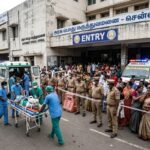
In the immediate aftermath of the alarm being raised, the hospital’s emergency response was criticized as being disorganized and hampered by a lack of proper equipment. Eyewitnesses reported that fire extinguishers were either empty or inaccessible, and the emergency exits were allegedly locked or obstructed by discarded medical crates. The local fire brigade faced significant challenges reaching the upper floors of the facility due to poorly planned access routes and parked vehicles blocking the path. While some medical staff risked their lives to carry babies out in their arms, the sheer volume of smoke made the NICU unreachable without specialized breathing apparatus. As news of the fire spread, panicked parents rushed to the hospital, only to be met with a cordon of security forces and a lack of clear information regarding the status of their children. This communication gap led to heated confrontations and scenes of unbearable anguish as names of the deceased began to filter out.
Systemic Infrastructure Failures and Regulatory Lapses
This tragedy highlights a recurring theme in Pakistan’s urban infrastructure: the disregard for fire safety codes. Many hospitals in Islamabad and across the country are housed in aging buildings that have undergone numerous renovations without upgrading the electrical wiring to handle the increased load of modern medical technology. The NICU, in particular, is a high-energy-demand environment where incubators, monitors, and life-support systems run continuously. Overloading circuits is a common practice, and the absence of regular safety audits by the Capital Development Authority (CDA) or the Health Ministry has allowed these hazards to persist. Furthermore, the presence of pressurized oxygen tanks in close proximity to aging electrical outlets is a recipe for disaster. Experts pointed out that the lack of fire-resistant partitions allowed the smoke to migrate quickly to other wards, endangering hundreds of more patients. This incident is a grim reminder that without strict enforcement of building codes and regular drills, every public building remains a potential site for such a calamity.
Government Reaction and the Promise of Accountability
In the wake of the tragedy, the Prime Minister of Pakistan and the Federal Health Minister have issued statements of condolence and promised a high-level inquiry. A judicial commission has been proposed to investigate the cause of the fire and to determine if there was criminal negligence on the part of the hospital administration. Financial compensation packages for the grieving families have been announced, but these measures have been met with skepticism by the public. Historically, similar commissions in Pakistan have failed to produce actionable results or lead to the prosecution of high-ranking officials. Civil society activists and opposition leaders are demanding that the investigation be transparent and that those responsible for the maintenance of the hospital’s safety systems be held legally accountable under the most stringent laws. There are also calls for a nationwide safety audit of all public and private hospitals to ensure that such a preventable loss of life never occurs again.
The Human Cost: Impact on Families and the Community
Beyond the statistics and the political fallout lies the immeasurable human suffering of the parents who lost their newborns. For many of these families, these infants represented years of hope and significant financial sacrifice. The psychological trauma of losing a child in such a violent and preventable manner is profound. Support groups and mental health professionals have highlighted the need for long-term counseling for the survivors and the bereaved families. The community in Islamabad has rallied to support the victims, with many people gathering for vigils and demanding justice. This incident has also deeply affected the medical community, with many healthcare workers expressing their own trauma and frustration over being forced to work in environments that are unsafe for both staff and patients. The loss of 14 lives has left a permanent scar on the collective psyche of the city, serving as a dark chapter in the history of the capital’s healthcare services.
The Urgent Need for Global Safety Standards
The tragedy in Islamabad is a wake-up call for the international community to assist developing nations in modernizing their healthcare safety frameworks. Adopting standards such as those set by the National Fire Protection Association (NFPA) should be a mandatory requirement for any facility receiving international aid or government funding. This includes the installation of fire-rated doors, early-warning smoke detection systems, and dedicated fire suppression systems for high-risk areas like intensive care units. Moreover, there must be a cultural shift in how safety is perceived—not as an unnecessary expense, but as a core component of patient care. Training for hospital staff must go beyond medical procedures to include rigorous emergency evacuation drills. As the world watches Pakistan grapple with this disaster, it is clear that only a total overhaul of the existing systems and a commitment to zero-tolerance for safety violations can honor the memory of the 14 infants who lost their lives. The time for rhetoric has passed; the time for structural and legal action is now.



































Leave a Reply