
In Shorts
- Pakistan youth leader warns India against interfering with Bangladesh sovereignty.
- Statement references Pakistan’s military readiness including missile capabilities.
- Comments come amid broader regional tensions involving Bangladesh politics.
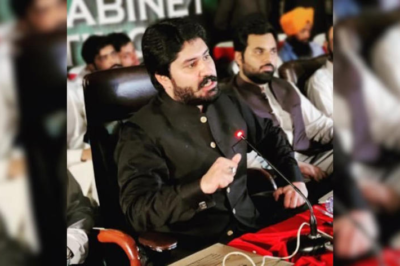
A top youth leader from Pakistan’s ruling party has issued a direct and provocative message to India, suggesting that Islamabad could respond with military force if Bangladesh’s autonomy is challenged. The remarks were made in a video statement by Kamran Saeed Usmani, who leads the youth wing of the Pakistan Muslim League, aligned with Prime Minister Shehbaz Sharif’s government.
Usmani’s comments emphasized Pakistan’s readiness to defend what he described as regional sovereignty, saying that if New Delhi were to “cast an evil eye” toward Bangladesh, Pakistan’s people, armed forces and missile capabilities “are not far away.” His address accused India of harbouring strategic designs against its neighbours, including alleged efforts to disrupt water resources and foment unrest.
The warning amplifies existing tensions in South Asia, particularly as Bangladesh faces internal upheaval under its interim government ahead of upcoming elections. Relations between Dhaka and New Delhi have become sensitive, with Bangladesh’s political actors asserting control over national matters and pushing back against external influence.
Bangladesh’s interim leadership under Nobel laureate Muhammad Yunus has expressed interest in strengthening ties with Islamabad, highlighting potential cooperation in trade and youth exchanges. However, political rhetoric from various quarters, including nationalist voices inside Bangladesh, has underscored resentment toward India’s historical role in the region’s politics.
India’s Ministry of External Affairs has responded cautiously, rejecting narratives that seek to misconstrue its policies and affirming respect for Bangladesh’s sovereignty. Diplomatic exchanges continue amid concerns that exaggerated claims and nationalist statements could inflame regional sensitivities further.
The latest episode reflects how geopolitical complexities involving Pakistan, India and Bangladesh can quickly escalate rhetoric, especially against a backdrop of shifting alliances and domestic political changes across South Asia.



































Leave a Reply