

In Shorts:
- The Supreme Court voiced strong displeasure as legal counsel for several political parties was absent from a crucial hearing.
- The hearing centered on applications regarding the now-scrapped Electoral Bonds Scheme and the ongoing SIR (Subsequent Instructions/Reporting) process.
- Justices questioned the parties’ commitment to the process, asking why they were not actively participating to provide clarity.
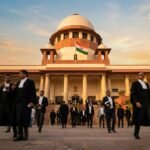
New Delhi: The hallowed halls of the Supreme Court witnessed a moment of high judicial drama on [Day of Week], as a constitution bench voiced its profound dissatisfaction with the conspicuous absence of legal counsel representing the nation’s major political parties. The hearing, a critical follow-up to the landmark decision scrapping the Electoral Bonds Scheme, saw the bench questioning the silence of those at the very heart of the case.
Presiding over the matter, the bench, led by Justice [Justice’s Last Name], did not mince words. “Why is no one appearing for the political parties?” the Court inquired, its query echoing a deeper concern about the parties’ engagement with a process of immense constitutional importance. The justices pointedly noted that while the State Bank of India (SBI) and the Election Commission of India (ECI) were present and complying with directives, the political entities themselves were notably silent.
The core of the hearing revolved around the implementation and clarification of the Court’s previous orders, specifically concerning the submission of detailed data to the ECI. The Court had mandated a transparent disclosure process to ensure the public could trace the flow of funds through the now-defunct scheme. The absence of lawyers for the political parties, who are primary stakeholders in this data, raised a critical question: Did they not have a vested interest in the proceedings or the clarity of the process?
“Don’t the political parties want any clarity?” the bench reportedly questioned, highlighting the paradoxical situation where the entities most affected by the scheme’s disclosure were not actively participating in shaping its aftermath. This lack of representation left the Court to grapple with procedural nuances without the input of key respondents.
This development marks a significant chapter in the ongoing saga of electoral finance transparency in India. The Supreme Court’s pointed remarks underscore a judicial push for accountability and active participation from all democratic institutions. As the SIR process continues, all eyes will be on whether the political parties break their silence and step forward to engage with the highest court on an issue that strikes at the very heart of democratic integrity.





































Leave a Reply