
In Shorts:
- India has completely withdrawn its personnel and assets from the Ayni Air Base in Tajikistan, closing its only military outpost in Central Asia.
- The move is seen as a major strategic recalibration, influenced by Tajikistan’s evolving alliances and regional pressure from other global powers.
- This development raises questions about India’s future ability to project power and maintain influence in the resource-rich and strategically vital Central Asian region.
AlwaysFirst Exclusive Report
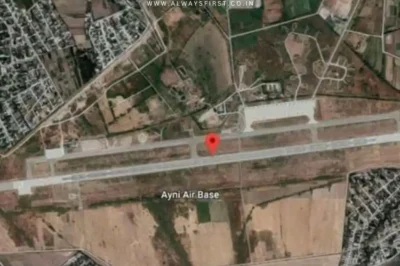
NEW DELHI – In a move that has sent ripples through strategic circles, India’s lone military footprint in Central Asia has been effectively erased. The Ayni Air Base, a facility in Tajikistan that once symbolized New Delhi’s ambitious reach into the heart of the continent, now stands vacant of Indian presence, marking the end of a two-decade-long endeavor.
For years, the Ayni Air Base, located just outside the capital Dushanbe, was more than just a strip of tarmac in the mountains. It represented a key strategic asset for India, a listening post and a potential logistical hub that extended its influence into a region rich in natural resources and critical to Asian security dynamics. India had invested significantly in the base’s infrastructure in the early 2000s, upgrading the runway, hangars, and air traffic control systems.
However, the lights have gone out on that vision. According to multiple sources familiar with the matter, the Indian Air Force contingent that was stationed there has been pulled back, and all military assets have been withdrawn. The question on everyone’s mind is: what led to this quiet but decisive retreat?
Analysts point to a complex web of diplomatic pressure and shifting regional alliances. “The writing was on the wall for some time,” explains Dr. Arjun Mehta, a senior fellow at the Institute for Strategic Studies. “Tajikistan, while a historical partner, faces immense economic and strategic pressures. Other powers, namely China and Russia, wield significant influence in Dushanbe and have been less than enthusiastic about a sustained Indian military presence in what they consider their backyard.”
The Chinese presence in Central Asia, particularly through its Belt and Road Initiative, has provided Tajikistan with alternative avenues for investment and partnership. This, experts suggest, diluted the leverage that India once held through its initial infrastructure investment at Ayni.
The closure of the Ayni outpost is not just a symbolic blow; it has tangible consequences for India’s regional strategy. It limits New Delhi’s ability to conduct rapid air operations or provide military support to partners in the region. It also represents a setback in the long-standing strategic game of influence in Central Asia, where Pakistan and China maintain close ties.
While the Indian government has not made an official announcement regarding the withdrawal, the silence from New Delhi and the empty hangars at Ayni speak volumes. The retreat signals a period of recalibration for India’s foreign policy in Central Asia, forcing it to rely more heavily on soft power, economic partnerships, and diplomatic engagements rather than a direct military footprint.
As the geopolitical sands shift, India is now tasked with finding new ways to secure its interests in a region that remains a critical crossroads of global power.



































Leave a Reply