
In Shorts
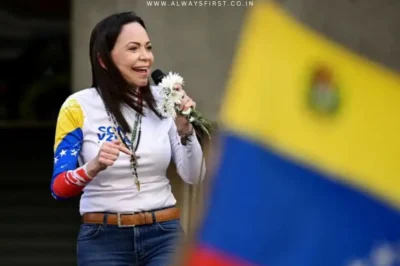
- Venezuelan opposition leader Maria Corina Machado, recently honored with a Nobel Peace Prize, is facing criticism from both the government and factions within her own coalition.
- Key points of contention include her uncompromising political stance, which some fear could derail delicate negotiations with President Maduro’s administration.
- Internal dissent is also rising over leadership styles and strategic disagreements, creating a complex challenge for the united opposition front.
In a striking twist of political fate, Maria Corina Machado, the Venezuelan opposition figure recently co-awarded the prestigious Nobel Peace Prize, is navigating a landscape not just of celebration, but of escalating criticism. The very accolade meant to bolster her cause has cast a brighter spotlight on the fissures and challenges she faces both from her adversaries and from within her own ranks.
The core of the external criticism, primarily from Nicolás Maduro’s government and its supporters, targets Machado’s unwavering and hardline stance. Officials have been quick to label her a “far-right extremist” and an instrument of foreign powers, arguing that her political history and rhetoric are inherently divisive and conflict-driven. Critics question how a figure they portray as promoting instability can be a recipient of a peace prize, framing the Nobel committee’s decision as a politically motivated intervention.
Perhaps more damaging for the opposition’s unity are the murmurs of dissent emerging from within the anti-Maduro coalition. While many celebrate the international recognition the Nobel Prize brings, others express deep-seated concerns about Machado’s strategic direction. Some more moderate factions worry that her absolute refusal to negotiate with the current regime could backfire, potentially sabotaging fragile diplomatic channels and alienating potential allies who seek a more gradual, negotiated transition of power.
Further complicating the picture are internal grievances over leadership and representation. Some voices from within the opposition argue that Machado’s approach has sidelined other key leaders and grassroots movements, creating a top-down dynamic that could weaken the coalition’s broad-based appeal. The criticism points to a critical dilemma: balancing the principled, firm stance that energizes a base with the pragmatic compromises often necessary to build a winning coalition and achieve tangible political results.
As international bodies like the European Union watch closely, the pressure is on for Machado to consolidate her leadership. The Nobel Peace Prize has given her a global platform, but it has also raised the stakes. The central question now is whether she can bridge the internal divides and transform this moment of international honor into a cohesive and effective strategy to address Venezuela’s profound political and humanitarian crisis. For Maria Corina Machado, the path to peace appears to be as fraught with challenges at home as it is with accolades from abroad.


































Leave a Reply