
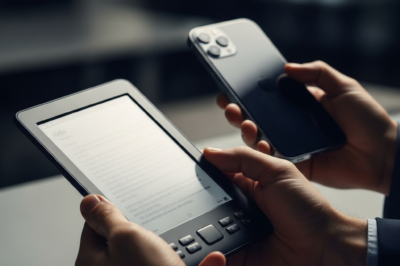
In an era where smartphones and tablets are often considered obsolete after just a few years, Amazon is making headlines for its remarkable commitment to the Kindle. Recent reports highlight that some Kindle models are receiving software support and security updates for up to 14 years after their initial release. This level of dedication to legacy hardware is virtually unheard of in the consumer electronics industry, making the Kindle one of the most sustainable and consumer-friendly gadgets on the market today.
The Unprecedented Lifespan of E-Ink Technology
Unlike smartphones that require massive processing power to handle modern applications, the Kindle’s primary function remains simple: displaying text on an e-ink screen. This architectural simplicity allows older hardware to remain functional for much longer. By continuing to push security updates and small feature tweaks to devices released over a decade ago, Amazon ensures that users do not feel pressured to upgrade simply because of software neglect. This approach not only rewards long-term customers but also positions the Kindle as a reliable tool rather than a disposable toy.
Challenging the Planned Obsolescence Narrative
The tech industry is frequently criticized for planned obsolescence, where manufacturers intentionally limit the lifespan of a product to force new sales. Amazon’s 14-year support window stands in stark contrast to this trend. By maintaining these devices, Amazon reinforces its ecosystem-first strategy; as long as the device works, the customer continues to buy books from the Kindle Store. This creates a win-win scenario where the hardware’s durability benefits the environment by reducing e-waste while maintaining a steady revenue stream for Amazon’s digital services.
Ultimately, the longevity of the Kindle proves that with the right business model and hardware design, technology does not have to be fleeting. As other manufacturers look to improve their environmental footprints, they could learn a lot from the Kindle’s enduring success and its decade-plus support cycle.




































Leave a Reply