
Key Highlights:
- India is implementing aggressive economic reforms, including tax cuts and reduced bureaucracy, in direct response to shifting global trade dynamics.
- The potential return of Trump-era tariffs on China is seen as an opportunity to attract businesses seeking stable, alternative manufacturing hubs.
- This strategy aims to capitalize on the “China Plus One” policy, positioning India as a top destination for foreign investment and supply chain diversification.
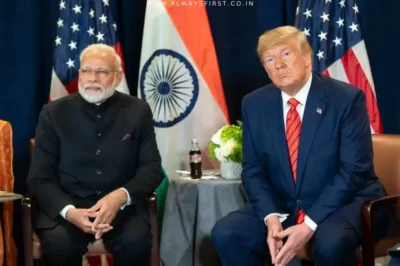
NEW DELHI – In the high-stakes arena of global economics, perceived threats can quickly transform into golden opportunities. According to analysts and government sources, Prime Minister Narendra Modi’s government is doing just that, using the specter of potential Trump-era tariffs to catalyze a new wave of aggressive internal reforms designed to make India a premier global investment destination.
With former U.S. President Donald Trump promising widespread tariff hikes if re-elected, international supply chains are once again bracing for impact. Rather than watching from the sidelines, the Modi administration is proactively seizing this moment of uncertainty. The strategy is clear: make India’s business environment so competitive that companies looking to diversify away from China see it as the obvious, most logical choice.
This initiative is moving beyond mere rhetoric. The government is actively working on a series of measures focused on two key areas: financial incentives and operational ease. This includes further reducing corporate tax rates for specific sectors and streamlining the often-criticized regulatory frameworks that have historically hampered business speed.
“The global trade environment is shifting, and India intends to be not just a participant, but a primary beneficiary,” an official familiar with the plans stated. “The objective is to present a compelling case—a combination of low production costs, a vast skilled workforce, and a government that removes hurdles instead of creating them.”
This policy push directly targets the widely adopted “China Plus One” strategy, where multinational companies avoid concentrating their manufacturing solely in China by establishing additional facilities in other countries. By cutting taxes and red tape simultaneously, India aims to outperform rivals like Vietnam and Mexico in this race for foreign capital.
Economic experts suggest this is a calculated and timely move. “Global instability creates winners and losers. By implementing these reforms now, India is sending a powerful message to the world’s boardrooms: we are open for business, we are efficient, and we are ready to be your partner,” said Dr. Priya Sharma, a leading economist based in Mumbai. “It’s a strategic leveraging of external factors to drive much-needed internal change.”
For AlwaysFirst News, this development marks a critical juncture in global trade. India’s assertive steps could significantly reshape international manufacturing and investment flows for years to come, proving that in the complex game of economic diplomacy, the most agile players often reap the greatest rewards.New chat



































Leave a Reply