
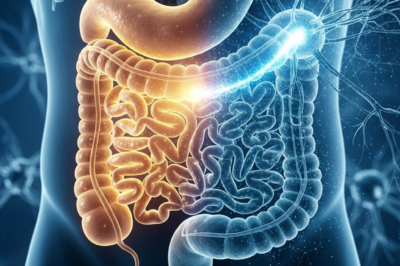
The Silent Prelude: Why the Gut is the New Frontier in Neurology
For decades, the medical community and the general public have viewed Parkinson’s disease through a predominantly neurological lens, focusing almost exclusively on the signature motor symptoms like resting tremors, muscle rigidity, and bradykinesia. However, a revolutionary shift in scientific understanding is now placing the human digestive system at the heart of the conversation. Emerging research, recently highlighted by reports from The Times of India and global medical journals, suggests that the earliest warning signs of this debilitating condition do not manifest in the hands or the gait, but rather in the gut. This ‘gut-first’ hypothesis is transforming how we approach early diagnosis, potentially moving the detection window back by a decade or more. For patients and clinicians alike, this means that chronic gastrointestinal issues—long dismissed as secondary symptoms—are now being recognized as primary biomarkers of neurodegenerative risk. This comprehensive analysis explores how our microbiome acts as a sentinel for the brain and what this means for the future of preventative medicine.
The Braak Hypothesis: Mapping the Path from Belly to Brain
To understand why the gut holds such critical clues, we must look at the pathbreaking work of neuroanatomist Heiko Braak. In the early 2000s, Braak proposed that Parkinson’s disease might actually begin in the enteric nervous system (ENS), the vast network of neurons lining our gastrointestinal tract, often referred to as the ‘second brain.’ According to this theory, an unidentified pathogen or environmental toxin enters the gut and triggers the misfolding of alpha-synuclein, a protein found in the brain. Once these proteins misfold and aggregate into clumps known as Lewy bodies, they are thought to travel like a slow-moving fire along the vagus nerve—the longest cranial nerve in the body—up into the brainstem and eventually the substantia nigra. By the time these aggregates reach the brain and start killing dopamine-producing neurons, causing the classic tremors, the disease has often been progressing in the gut for fifteen to twenty years. This long ‘prodromal’ phase is the golden window for intervention that scientists are now desperate to capitalize on.
The Microbial Signature: Identifying Dysbiosis in Parkinson’s Patients
One of the most compelling pieces of evidence linking the gut to Parkinson’s is the specific composition of the gut microbiome. Recent studies have consistently shown that individuals with Parkinson’s disease harbor a distinct microbial signature compared to healthy controls. Specifically, researchers have observed a significant reduction in bacteria from the Prevotellaceae family and an increase in Enterobacteriaceae. These microbial imbalances, known as dysbiosis, lead to a breakdown in the intestinal barrier, often called ‘leaky gut.’ When the gut barrier is compromised, inflammatory markers and bacterial byproducts can enter the bloodstream, triggering systemic inflammation that eventually reaches the brain. Furthermore, the gut microbiome is responsible for producing vital neurotransmitters and short-chain fatty acids (SCFAs) like butyrate, which possess anti-inflammatory properties. In Parkinson’s patients, the production of these protective SCFAs is often severely diminished, creating a pro-inflammatory environment that favors neurodegeneration.
From Constipation to Diagnosis: The Clinical Connection
If the gut is indeed the starting point, what are the symptoms that people should look out for? Long before the first tremor appears, many patients experience chronic constipation, sometimes lasting for years or even decades. While constipation is a common ailment with many causes, in the context of Parkinson’s, it serves as a massive red flag. Clinical data suggests that individuals with chronic, unexplained constipation are at a significantly higher risk of developing Parkinson’s later in life. Other gastrointestinal issues, such as irritable bowel syndrome (IBS) symptoms, bloating, and delayed gastric emptying (gastroparesis), have also been linked to the early stages of the disease. By paying closer attention to these ‘non-motor’ symptoms, physicians can identify at-risk populations much earlier. The Times of India report underscores that recognizing these gut-related issues isn’t just about managing digestive health—it’s about monitoring the long-term integrity of the central nervous system.
The Role of Environmental Toxins and Diet
The connection between the gut and Parkinson’s also brings environmental factors into sharp focus. Pesticides, herbicides, and certain industrial chemicals are known to disrupt the gut microbiome and trigger alpha-synuclein misfolding. When we ingest these toxins through contaminated food or water, the gut is the first line of defense—and the first point of failure. This realization has led to a surge in interest regarding diet as a preventative tool. Diets high in fiber, polyphenols, and fermented foods help maintain a diverse and resilient microbiome, potentially strengthening the gut barrier against the triggers of Parkinson’s. Conversely, diets high in ultra-processed foods and sugar can exacerbate inflammation and dysbiosis. Understanding that what we eat directly influences the health of our ‘second brain’ offers a proactive way for individuals to potentially lower their risk profile through lifestyle modifications.
Diagnostic Breakthroughs: Stool Tests and Gut Biopsies
As the science matures, we are moving toward a future where a simple stool test or a routine colonoscopy could screen for Parkinson’s risk. Scientists are currently developing assays to detect misfolded alpha-synuclein in the tissue of the colon or in fecal samples. If perfected, these diagnostic tools would be revolutionary. Currently, Parkinson’s is diagnosed based on clinical observation of motor symptoms, meaning that by the time a diagnosis is confirmed, over 60-80% of dopamine-producing neurons may already be lost. A gut-based diagnostic approach would allow for neuroprotective therapies to be administered long before the brain sustains irreversible damage. This shift from reactive to proactive diagnostics is perhaps the most exciting implication of the gut-brain research, promising a new era of personalized neurology.
Conclusion: A Paradigm Shift in Neurological Health
The revelation that Parkinson’s disease may have its roots in the gut is more than just a scientific curiosity; it is a fundamental shift in the paradigm of human health. It teaches us that the body is an interconnected ecosystem where the health of one system profoundly influences the other. By looking beyond the tremors and focusing on the complex world of the microbiome, we are discovering that the keys to preventing one of the world’s most challenging neurological disorders have been inside us all along. As research continues to unravel the mysteries of the gut-brain axis, the emphasis must shift toward early screening, gut-health maintenance, and environmental protection. For those at risk, the message is clear: your gut is speaking to you, and it is time we all started listening.






































Leave a Reply