
In Shorts
- Chairman of Selectors Ajit Agarkar clarifies that Rohit Sharma’s removal as ODI captain was a strategic decision for the future.
- The move aims to manage player workload and ensure consistent leadership across white-ball formats.
- Hardik Pandya is confirmed as the long-term vice-captain, building towards the next World Cup cycle.
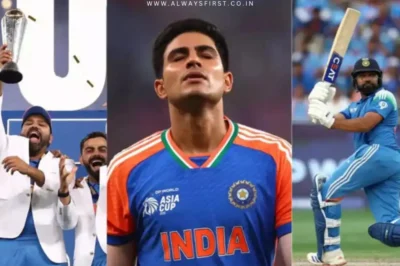
NEW DELHI – The decision to hand over India’s One-Day International (ODI) captaincy from Rohit Sharma to Hardik Pandya was one of the most talked-about moves in recent cricketing circles. While many speculated on the reasons, Chairman of Selectors Ajit Agarkar has now stepped forward to provide clarity, emphasizing that the call was driven by foresight, not just form or a single tournament result.
In a recent press interaction, Agarkar dismantled the notion that India’s failure to win the ICC Champions Trophy was a factor. He revealed that the selection committee’s vision extended far beyond immediate results, focusing squarely on building a sustainable leadership structure for the future.
“We are looking at the future now,” Agarkar stated authoritatively. “We had a chat with Rohit before the team was selected for the South Africa series. We did not want him to feel blindsided. We have a certain amount of clarity in the direction we are heading.”
Central to this new direction is the management of key players and the unification of captaincy across similar formats. With Hardik Pandya already leading the T20I side with notable success, the selectors saw a clear opportunity to streamline the team’s leadership.
“The only reason we decided to move on from Rohit was… we don’t want to have too many captains,” Agarkar explained. “We are looking to have one leader for the white-ball format. It’s easier for the same set of players to have one leader, especially with the T20 World Cup just months away.”
This strategic pivot firmly establishes Hardik Pandya as the cornerstone of India’s white-ball future. The selection panel believes that having a single captain for both limited-overs formats will foster better team cohesion and a more consistent strategic approach. This move is not a reflection on Rohit Sharma’s capabilities but a structured plan to build a new team identity under Pandya’s leadership as the next 50-over World Cup cycle begins.
The clarification from the top selector puts to rest much of the speculation, framing the captaincy change not as a reactionary measure, but as a proactive step in Indian cricket’s evolving roadmap.



































Leave a Reply