
In Brief
• BRICS-Plus naval forces have begun a large maritime exercise in South African waters.
• India declined to join the drills, reflecting its independent foreign policy posture
• The operation underscores growing military dimensions in BRICS cooperation beyond economics.
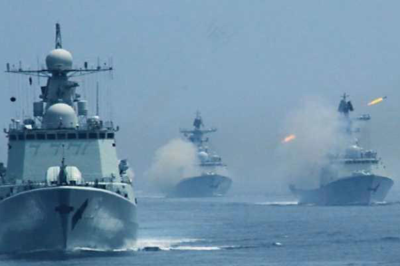
In a development that is drawing global attention, naval contingents from several BRICS-Plus countries have moved into the Indian Ocean to begin a major joint maritime exercise. The drills, titled Will for Peace 2026, are set to run from January 9 to January 16 in waters near South Africa, with China officially leading the operations.
The exercise brings together a range of nations under the BRICS-Plus umbrella for joint maritime safety operations, interoperability training, and drills to protect sea lanes that are vital to global trade. Russia and Iran are reported to be participating, and there is potential involvement from other partner states including Indonesia and Ethiopia.
Notably absent from these drills is India, which was invited but chose not to send its naval units. New Delhi’s decision to stay away has sparked debate among analysts and policymakers. Official explanations suggest that India’s longstanding policy of strategic autonomy and its reluctance to be seen as part of a military alignment may have influenced the choice. Commentators note that India sees its role in multilateral forums more in economic and diplomatic cooperation than in joint military action under a bloc format.
India’s foreign and defense strategies have traditionally emphasized independent action, even while engaging in bilateral and multilateral naval exercises with individual partners. The country regularly conducts separate drills with navies from the United States, Japan, Australia, and others under frameworks such as the Quadrilateral Security Dialogue, as well as regional maritime engagements with African and Southeast Asian states. New Delhi’s avoidance of the BRICS-Plus exercise is seen by some as consistent with its broader balancing approach.
The South African National Defence Force has described Will for Peace 2026 as an opportunity to foster cooperation among emerging powers and to collectively address shared security challenges at sea. Organizers emphasize that the drills focus on protecting commercial shipping, countering non-traditional threats like piracy and terrorism, and reinforcing procedural coordination among participating navies.
Observers also interpret the exercise as part of a broader evolution within the BRICS grouping. What was once primarily an economic and development forum is increasingly showcasing military cooperation elements, reflecting the shifting contours of great-power competition in the Indo-Pacific and beyond. Critics in Western capitals have raised concerns that expanded military cooperation within BRICS may alter existing security architectures and challenge traditional naval dominance in key oceans.
India’s choice not to participate underscores the complex strategic choices facing major emerging economies. As BRICS members experiment with deeper engagement on security issues, New Delhi appears intent on maintaining flexibility in its strategic relationships while navigating the competing demands of global influence, regional stability, and sovereign policy autonomy.



































Leave a Reply