
In Shorts
- Delhi’s overall AQI has entered the ‘Very Poor’ to near-‘Severe’ range, with several localities recording levels above 400.
- A combination of stagnant winds, dropping temperatures, and local pollutant buildup is blamed for the rapid deterioration.
- Authorities have initiated Stage II of the GRAP action plan, imposing bans and increased vigilance to control emissions.
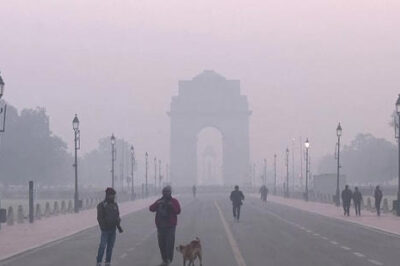
The national capital is once again grappling with a familiar and hazardous enemy—thick, toxic smog. In a worrying turn of events ahead of the festive season, Delhi’s air quality has taken a sharp nosedive, with the city’s average Air Quality Index (AQI) hovering on the brink of the ‘Severe’ category. On Friday morning, a palpable grey haze engulfed the skyline, significantly reducing visibility and raising serious public health concerns.
According to data from the Central Pollution Control Board (CPCB), the city’s overall AQI was recorded in the ‘Very Poor’ range but perilously close to the 401 threshold that marks the ‘Severe’ level. However, the situation on the ground is more acute in specific hotspots. Monitoring stations in areas like Anand Vihar, Wazirpur, and Vivek Vihar breached the critical 400 mark, signaling dangerously polluted air for residents in these localities.
Experts point to a confluence of adverse meteorological conditions for this sudden spike. A notable drop in wind speed has stifled the dispersion of accumulated pollutants, while a dip in temperatures has led to the trapping of contaminants closer to the ground. This local buildup of emissions from vehicles, industry, and dust has created a toxic cocktail, exacerbated by the ongoing practice of stubble burning in neighboring states, whose contribution is expected to increase in the coming days.
Responding to the crisis, the Commission for Air Quality Management (CAQM) has swiftly implemented Stage II of the Graded Response Action Plan (GRAP). This includes stricter enforcement on dust control at construction sites, a crackdown on the use of coal and firewood in eateries, and ensuring a rigorous ban on garbage burning. Authorities are also ramping up efforts to manage traffic congestion and penalize visibly polluting vehicles.
With the Diwali festival just around the corner, the deteriorating air quality poses a significant challenge. Health officials are advising citizens, especially children, the elderly, and those with respiratory conditions, to limit outdoor exposure and wear protective masks when necessary. As the city waits for a favorable change in weather, the focus remains on stringent enforcement of existing norms to prevent a full-blown air quality emergency.



































Leave a Reply