
In Shorts:
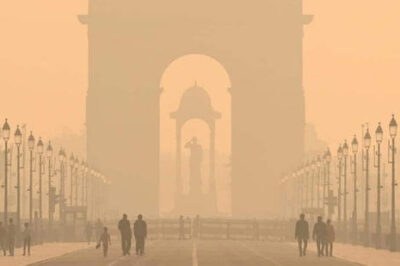
- Dense smog blankets Delhi, leading to significantly reduced visibility across the city.
- The city’s overall Air Quality Index (AQI) remains in the ‘Very Poor’ category, raising health concerns.
- The hazardous haze has obscured major landmarks, with conditions expected to persist.
DELHI – Residents of the national capital were greeted by a disquieting sight on Tuesday morning as a dense layer of smog descended upon the city, drastically reducing visibility and casting a pall over the skyline. The familiar urban landscape was transformed, with iconic monuments and high-rise buildings fading into an oppressive grey haze, as visual evidence from various parts of Delhi confirmed.
Official data from monitoring agencies corroborated the visual distress, with the city’s overall Air Quality Index (AQI) consistently registering in the ‘Very Poor’ range. This persistent poor air quality has once again turned the spotlight on the escalating public health crisis in the region, with doctors advising vulnerable groups, including children, the elderly, and those with respiratory conditions, to limit their time outdoors.
The thick blanket of pollutants, a toxic cocktail of vehicle emissions, industrial discharge, and seasonal factors, has become a grim annual ritual for the city. The onset of winter and cooler temperatures tends to trap these harmful particulates closer to the ground, leading to such severe smog episodes.
While authorities have been alerted, the visible deterioration in air quality has sparked concern among citizens and environmentalists alike. The recurring nature of these events has led to urgent calls for more robust and long-term solutions to combat air pollution, as the city continues to grapple with the challenge of ensuring breathable air for its inhabitants. With meteorological conditions unlikely to change immediately, Delhiites are bracing for more such smog-filled mornings in the near future.




































Leave a Reply