
In Shorts:
- Delhi’s Air Quality Index (AQI) has sharply deteriorated, falling firmly into the ‘Very Poor’ category, triggering widespread health concerns.
- A combination of factors, including vehicular emissions, industrial pollution, and seasonal agricultural burning, is blamed for the toxic smog.
- The thick haze has significantly reduced visibility across the city, with authorities considering stricter measures to curb the escalating pollution levels.
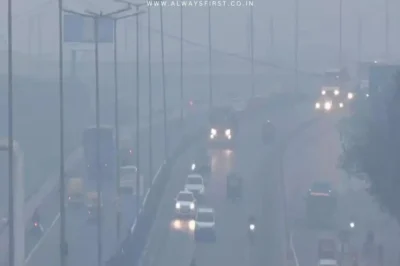
NEW DELHI – The national capital woke up to a familiar yet alarming sight this morning: a thick, oppressive layer of grey smog shrouding the city skyline. Delhi is once again gasping for breath, as its Air Quality Index (AQI) plummeted deep into the ‘Very Poor’ zone, transforming the city into a proverbial gas chamber and raising serious public health alarms.
The iconic monuments and towering high-rises that define Delhi’s horizon have faded into a blur, with visibility dropping dramatically across the metropolitan area. The acrid smell of pollutants hangs heavy in the air, a constant, unsettling reminder of the environmental crisis unfolding daily. For the millions of residents, this is not just an inconvenience; it’s a direct assault on their well-being.
“The air feels heavy and burns my eyes and throat. I’ve had to keep my asthmatic child home from school today,” shared Priya Sharma, a concerned mother and resident of Lajpat Nagar. Her sentiments echo across a city where morning walks have been abandoned, and face masks have made an unwelcome comeback.
So, what is fueling this dangerous descent into pollution? Environmentalists and officials point to a perfect storm of contributing factors. While year-round sources like vehicle emissions and industrial pollution form a constant baseline, the situation is severely exacerbated by seasonal agricultural burning in neighboring states. The practice of stubble burning, coupled with calm winds and falling temperatures that trap pollutants close to the ground, creates the toxic cocktail that Delhi inhales.
In response to the escalating situation, the Commission for Air Quality Management (CAQM) is expected to convene an emergency meeting. The body is likely to discuss and potentially reimpose stricter stages of the Graded Response Action Plan (GRAP), which could include measures like a temporary ban on certain construction activities and the entry of polluting trucks into the city.
As the city navigates this public health emergency, the call for long-term, sustainable solutions grows louder. For now, however, Delhiites are left to cope with the immediate reality of stepping out into a hazardous environment, hoping for a wind of change—both literally and figuratively—to clear the air.


































Leave a Reply