
In Shorts
- Delhi risks exclusion from India’s massive “PM-eBus Sewa” scheme, which aims to deploy 10,000 e-buses across 169 cities.
- Key hurdles include an inadequate power grid and the lack of space for large, centralized charging depots within the crowded city.
- While other states move forward, Delhi’s existing, fragmented bus service complicates its ability to meet the scheme’s operational requirements.
NEW DELHI – In a monumental push towards sustainable public transportation, the Government of India has launched the “PM-eBus Sewa” scheme, one of the planet’s most ambitious electric mobility projects. The plan is bold and clear: roll out 10,000 new electric buses across 169 cities. Yet, in a startling twist, the nation’s capital, New Delhi, is grappling with a series of complex challenges that may cause it to miss the bus on this green revolution entirely.
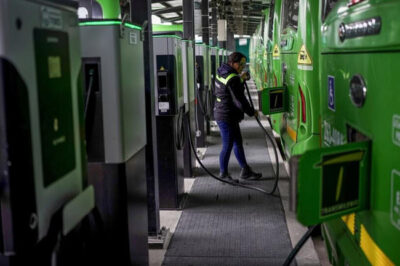
At the heart of the issue lies a stark infrastructural deficit. According to sources familiar with the matter, the city’s power distribution infrastructure is currently not robust enough to support the massive, centralized charging stations required for a large-scale electric bus fleet. Unlike other cities with readily available land for depots, Delhi’s intense urban density and soaring land costs make finding such spaces a significant logistical and financial nightmare.
The problem is compounded by the unique structure of bus services within the capital. The Delhi Transport Corporation (DTC) and the Delhi Integrated Multi-Modal Transit System (DIMTS) currently operate different fleets. The central government’s scheme favors a single, unified operator for efficient implementation, a model that Delhi’s bifurcated system struggles to fit into seamlessly. This operational complexity adds another layer of difficulty for the city’s authorities in submitting a viable and compliant proposal.
While cities in states like Maharashtra, Uttar Pradesh, and Gujarat are swiftly moving to capitalize on the scheme’s substantial central government subsidies, Delhi finds itself in a precarious position. The clock is ticking, and the window to align plans, secure land, and upgrade infrastructure is narrowing. The situation presents a critical paradox: a city at the forefront of policy-making struggling to implement a national policy on its own turf.
The implications are significant. Missing out on this scheme would not only delay Delhi’s progress towards its own clean air goals but also represent a major setback in its public transit modernization. As smog and congestion continue to challenge the capital, the electric bus initiative offered a tangible path toward a cleaner, quieter future.
Officials remain cautiously optimistic, suggesting that alternative solutions, such as distributed charging points and public-private partnerships, are being explored. However, it is clear that without immediate and decisive action, Delhi risks watching from the sidelines as the rest of the country charges ahead into a new era of electric mobility.




































Leave a Reply