
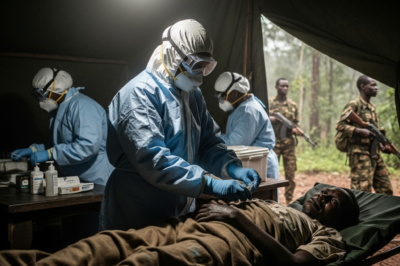
The Democratic Republic of Congo is grappling with a volatile situation as health officials confirm that a fresh Ebola outbreak has spread into areas controlled by armed rebel groups. This development significantly heightens the risk of a widespread epidemic, as insecurity hampers the ability of medical teams to track contacts and administer life-saving vaccines.
A Dual Threat: Viral Spread and Armed Conflict
Eastern DR Congo has long been a flashpoint for violence, but the arrival of Ebola in rebel-held zones creates a logistical nightmare for the World Health Organization and local health authorities. In these territories, movement is restricted, and the presence of various militias makes it extremely dangerous for healthcare workers to operate. This lack of access means that many cases may go unreported, allowing the virus to circulate undetected among vulnerable populations.
Global Health Security at Risk
International observers are raising alarms about the potential for the virus to cross international borders. Because the eastern region shares boundaries with Uganda and Rwanda, the inability to contain the virus within conflict zones poses a significant regional threat. Humanitarian agencies are calling for immediate humanitarian corridors to ensure that medical supplies and personnel can reach the affected communities without the threat of violence. The success of this containment effort depends heavily on the cooperation of local leaders and the cessation of hostilities in key medical zones.
As the situation evolves, the global community watches closely. The convergence of a deadly pathogen and chronic warfare represents one of the most challenging public health scenarios in recent history, demanding a unique blend of diplomacy and medical intervention.







































Leave a Reply