
In Shorts:
- Aviation Minister Jyotiraditya Scindia raises concerns about IndiGo’s dominant market share, calling it a “watchdog scenario” for regulators.
- Despite monopoly concerns, Scindia asserts the current environment is the “best time” for new airlines to launch operations in India.
- The minister highlights passenger benefits from competition and cites strong demand as key reasons for new entrants.
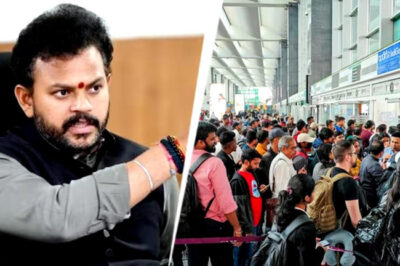
The colossal market share commanded by IndiGo in India’s domestic aviation sector has now officially triggered high-level governmental attention. In a significant statement, Civil Aviation Minister Jyotiraditya Scindia has framed the carrier’s dominance as a “watchdog scenario,” indicating that the competitive landscape is under active regulatory observation.
Speaking candidly, Minister Scindia addressed the elephant in the room. “When you have a player which has more than 50% of the market, that is something which has to be watched,” he stated. This direct acknowledgment from the government’s top aviation official confirms what industry analysts have long debated: IndiGo’s scale has reached a point where it necessitates scrutiny to ensure a healthy, competitive market.
However, in a fascinating counterpoint, Scindia was quick to pivot from monitoring dominance to encouraging new competition. He emphatically declared that there has “never been a better time” for new airlines to start operations in India. This statement serves as a clear invitation to entrepreneurs and investors, signaling government openness to new entrants that can challenge the status quo.
The minister’s optimism for new players is rooted in two fundamental factors: overwhelming passenger demand and the proven benefits of competition. India’s air travel market is experiencing a historic boom, with record-breaking passenger numbers month after month. Furthermore, Scindia emphasized that the Indian consumer is the ultimate beneficiary of a multi-airline market, where competition drives better service and more competitive pricing.
This dual approach by the government—simultaneously keeping a watchful eye on the largest player while rolling out the welcome mat for new ones—paints a dynamic picture of the future. It suggests a strategic vision where market growth is encouraged, but not at the expense of fair play. Whether this leads to the successful launch of new, sustainable airlines capable of denting IndiGo’s lead remains the multi-billion rupee question for the world’s fastest-growing aviation market.



































Leave a Reply