
In Shorts
- Former President Trump asserts he could easily end the Afghanistan war if back in power, citing his “understanding” of the region.
- He accuses Pakistan of “attacking” the United States, revisiting a long-held grievance about the ally’s role in the conflict.
- Trump defends his administration’s controversial decision to negotiate directly with the Taliban, leading to the 2020 Doha Agreement.
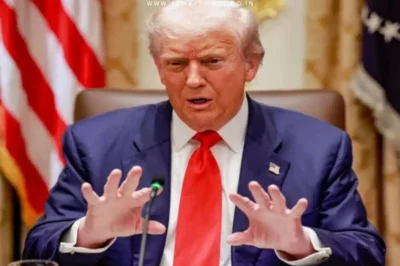
AlwaysFirst News — In a recent campaign speech that has reignited debate over American foreign policy, former President Donald Trump declared that finding a solution to the protracted war in Afghanistan would be a simple task for his administration, while leveling serious accusations against a one-time regional ally, Pakistan.
Addressing a crowd of supporters, Trump revisited his administration’s approach to the two-decade-long conflict. “I understand Pakistan attacked us,” he stated, a remark that echoes his long-standing skepticism of the U.S. partnership with Islamabad during the war. This allegation refers to his administration’s previously stated position that elements within Pakistan provided safe haven to insurgents fighting U.S. and coalition forces in Afghanistan.
The former president’s comments served to defend his signature foreign policy move regarding the region: the direct negotiations with the Taliban that culminated in the 2020 Doha Agreement. This deal paved the way for the full withdrawal of U.S. troops, a process that was ultimately completed under the Biden administration in 2021. Trump framed this direct engagement as a necessary step, contrasting it with the previous strategy of dealing primarily with the U.S.-backed Afghan government.
“If I were in charge, resolving the situation in Afghanistan would be easy,” Trump confidently proclaimed, suggesting his unique rapport with key figures and understanding of the geopolitical dynamics would make a lasting peace achievable. His statement is likely to fuel further discussion among foreign policy experts and political opponents, many of whom have criticized the conditions of the U.S. withdrawal and the subsequent rapid Taliban takeover of the country.
The speech underscores the ongoing political contention surrounding one of America’s longest wars and sets the stage for how future debates over international intervention and diplomacy might be framed. As the political landscape evolves, Trump’s claims ensure that the legacy of the Afghanistan war and the roles of nations like Pakistan will remain a focal point of national security discourse.
In Shorts
- Former President Trump asserts he could easily end the Afghanistan war if back in power, citing his “understanding” of the region.
- He accuses Pakistan of “attacking” the United States, revisiting a long-held grievance about the ally’s role in the conflict.
- Trump defends his administration’s controversial decision to negotiate directly with the Taliban, leading to the 2020 Doha Agreement.
AlwaysFirst News — In a recent campaign speech that has reignited debate over American foreign policy, former President Donald Trump declared that finding a solution to the protracted war in Afghanistan would be a simple task for his administration, while leveling serious accusations against a one-time regional ally, Pakistan.
Addressing a crowd of supporters, Trump revisited his administration’s approach to the two-decade-long conflict. “I understand Pakistan attacked us,” he stated, a remark that echoes his long-standing skepticism of the U.S. partnership with Islamabad during the war. This allegation refers to his administration’s previously stated position that elements within Pakistan provided safe haven to insurgents fighting U.S. and coalition forces in Afghanistan.
The former president’s comments served to defend his signature foreign policy move regarding the region: the direct negotiations with the Taliban that culminated in the 2020 Doha Agreement. This deal paved the way for the full withdrawal of U.S. troops, a process that was ultimately completed under the Biden administration in 2021. Trump framed this direct engagement as a necessary step, contrasting it with the previous strategy of dealing primarily with the U.S.-backed Afghan government.
“If I were in charge, resolving the situation in Afghanistan would be easy,” Trump confidently proclaimed, suggesting his unique rapport with key figures and understanding of the geopolitical dynamics would make a lasting peace achievable. His statement is likely to fuel further discussion among foreign policy experts and political opponents, many of whom have criticized the conditions of the U.S. withdrawal and the subsequent rapid Taliban takeover of the country.
The speech underscores the ongoing political contention surrounding one of America’s longest wars and sets the stage for how future debates over international intervention and diplomacy might be framed. As the political landscape evolves, Trump’s claims ensure that the legacy of the Afghanistan war and the roles of nations like Pakistan will remain a focal point of national security discourse.



































Leave a Reply