
In Shorts
- Rohru artisan Kanika Atreta promotes traditional Dhathu hand embroidery through her venture Himalayas Stitches
- Has trained more than 120 women through workshops and SHG initiatives in nearby regions
- Represented Himachal at Swachh Bharat Samriddh Shehar 2025 and received Maatrunaman Award
In a time when machine made fashion dominates the market, a young artisan from Rohru in Himachal Pradesh is quietly redefining the value of handmade tradition. Kanika Atreta, a skilled hand embroidery artist, has built a unique identity by blending cultural craftsmanship with modern entrepreneurial vision through her initiative Himalayas Stitches.
From a very young age, Kanika showed a deep interest in colours, threads, and design patterns. Even after completing her Master of Commerce degree, she chose to pursue embroidery not as a pastime but as a profession. Without formal training, she consistently improved her skills through self learning and creative exploration, drawing inspiration from the traditional attire and lifestyle of the Himalayan region.
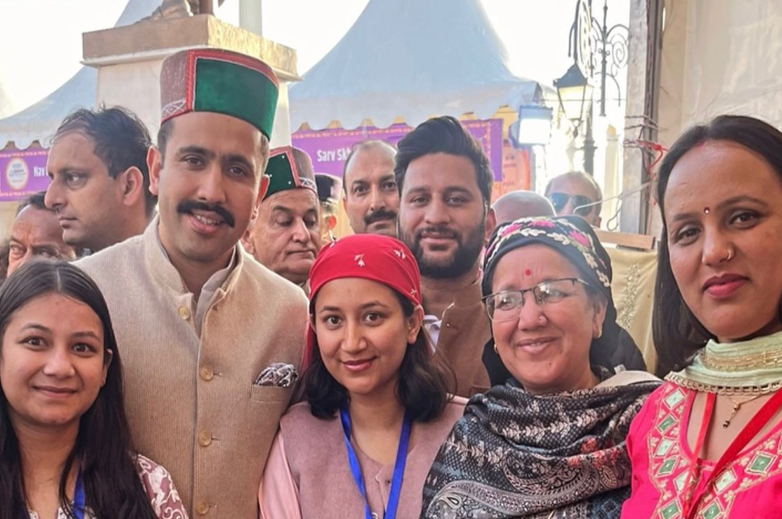
Kanika’s journey into entrepreneurship was supported by her family’s belief in self reliance and innovation. Encouraged to become a job creator rather than a job seeker, she began working from her home setup with limited resources. Her sister Kritika Atreta played a crucial role in helping her connect with Self Help Groups, government schemes, and artisan exhibitions, eventually shaping her talent into a recognised brand.
The initial phase of her journey came with multiple challenges. Operating from a remote location nearly 107 kilometres away from Shimla made access to raw materials and mentorship difficult. Financial constraints and limited awareness about government support systems added to the hurdles. Despite these setbacks, Kanika relied on trial and error methods to learn both business management and craft techniques.
Promoting handmade embroidery also proved to be a significant challenge, as educating customers about the value and pricing of handcrafted work required sustained effort. With limited networking opportunities, she turned to social media platforms like Instagram to build visibility and connect with potential buyers.
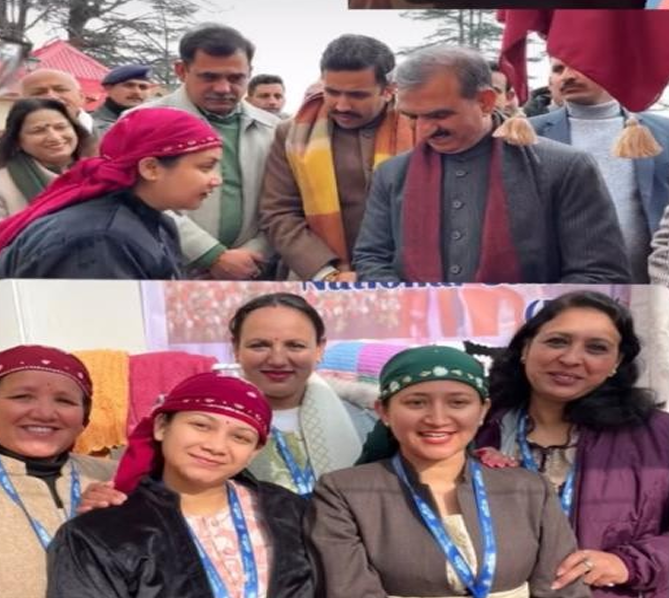
A major turning point in her journey came through participation in exhibitions such as Gandhi Shilp Bazaar held in Rohru and later at Peterhoff in 2024. These platforms provided her with exposure through the Development Commissioner Handicrafts initiative, allowing her to gain consumer trust and expand her reach. Further participation during Women’s Day events in Kullu and subsequent exhibitions in Shimla strengthened her public presence and helped her communicate the importance of preserving traditional hand embroidery techniques.
Through her growing enterprise, Kanika has actively contributed to preserving traditional Himachali crafts, particularly the hand embroidered Dhathu. She has trained more than 40 women at her own centre and guided around 120 Self Help Group members in Chirgaon, encouraging them to view traditional skills as a viable source of income.
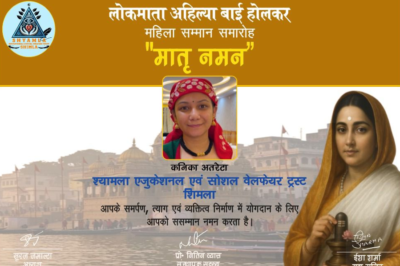
Her contributions were recognised at the state level when she represented Himachal at the Swachh Bharat Samriddh Shehar 2025 event held in Shimla. She was also honoured with the Maatrunaman Award by Shyamla Educational and Social Welfare Trust during the Lokmata Ahilya Bai Holkar Women’s Honor Ceremony.
Today, Kanika’s work not only supports her family but also empowers women in her community by providing employment opportunities. Her upcoming brand ATRETA aims to position traditional Himachali embroidery as a contemporary lifestyle product while maintaining its cultural roots.
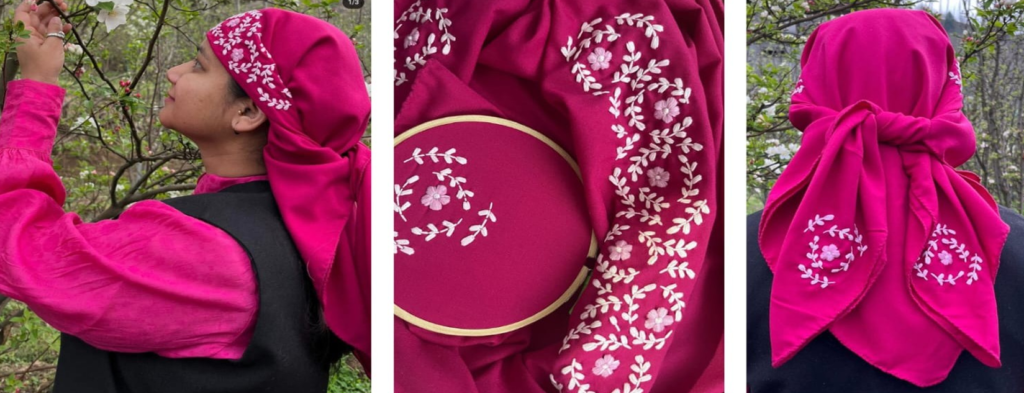
Kanika credits much of her professional growth to the support received from the Development Commissioner Handicrafts. The exposure and training provided through the initiative enabled her to present her work on prominent platforms and strengthened her confidence as an artisan entrepreneur.
Her story stands as a powerful example of how passion, persistence, and community support can transform heritage craftsmanship into a sustainable livelihood while inspiring the younger generation to reconnect with traditional art forms.




































Leave a Reply