
In Shorts
- Balendra Shah takes early lead against former PM KP Sharma Oli in Nepal election counting.
- Youth support and Gen Z protests have boosted Shah’s political momentum.
- His party is leading in multiple constituencies as Nepal awaits final results.
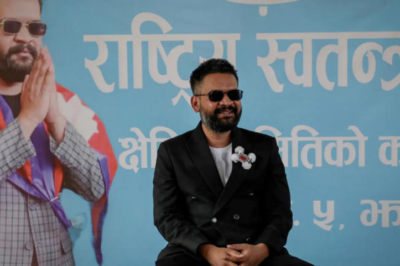
Nepal’s parliamentary election has become a closely watched contest as early vote counting shows Balendra Shah, a rapper turned politician and former mayor of Kathmandu, taking the lead over veteran leader and former prime minister K. P. Sharma Oli. The race is being seen as a symbolic battle between a rising generation of leaders and the country’s established political figures.
Initial counting trends indicate that Shah is ahead in the Jhapa constituency, a region long considered a stronghold of Oli. The development has generated significant political buzz across the country as voters closely follow the results of what many analysts describe as a pivotal election for Nepal’s future.
The election is the first nationwide vote held after massive youth led protests in 2025 that triggered political upheaval and forced the government to step down. Those demonstrations were largely driven by young citizens demanding stronger action against corruption, better governance, and more opportunities for the country’s younger generation.
Shah, who gained national recognition through his music and later through his tenure as Kathmandu’s mayor, has built a strong support base among young voters. His campaign has focused on transparency, digital governance, and systemic reforms, themes that have resonated strongly with Nepal’s Gen Z electorate.
Meanwhile, early trends also suggest that Shah’s political platform and the emerging reformist movement around him are gaining traction nationwide. His political camp has reportedly taken leads in multiple constituencies as counting progresses, raising the possibility of a major shakeup in Nepal’s political landscape.
The parliamentary election will determine the composition of Nepal’s 275 member House of Representatives, with 165 members elected directly and the remaining seats filled through proportional representation. With millions of voters participating and results still being counted, the final outcome could reshape the country’s leadership and political direction in the coming years.
Observers say the contest reflects a broader generational shift in Nepal’s politics, where younger leaders are challenging long standing power structures and pushing for reforms driven by public frustration with traditional parties. As counting continues, the country waits to see whether the early lead for Balendra Shah will translate into a historic political breakthrough.


































Leave a Reply