
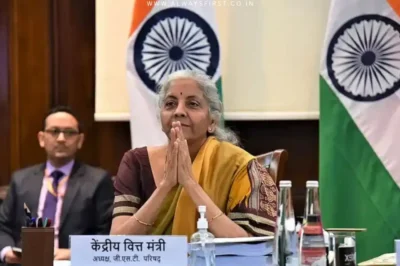
Key Highlights
- A GoM within the GST Council has recommended merging the current 12% and 28% tax brackets into existing ones.
- The proposal aims to reduce complexity and create a more streamlined, two or three-tier tax structure.
- This is a recommendation and requires final approval from the full GST Council and government.
NEW DELHI – In a landmark proposal that could reshape India’s Goods and Services Tax (GST) regime, a ministerial group within the GST Council has put forward a plan to eliminate the 12% and 18% tax slabs. This move is being viewed as a major step towards achieving the original vision of a simplified, “One Nation, One Tax” system.
The report, submitted by the Group of Ministers (GoM) led by Uttar Pradesh Finance Minister Suresh Kumar Khanna, suggests merging the current four primary tax rates into a simpler structure. The proposal specifically targets the 12% and 28% brackets, which would be absorbed into the adjacent 5% and 18% slabs, respectively.
This potential consolidation signals a decisive shift towards rationalizing the complex multi-rate system that has been in place since GST’s inception in 2017. The objective is clear: to reduce classification disputes, ease compliance burdens for millions of businesses, and create a more transparent tax environment.
“The current multiple rate structure has been a source of confusion and litigation. Streamlining it into possibly two or three rates is a logical progression for a mature GST system,” a source close to the deliberations stated.
For the common consumer, this overhaul could mean a significant repricing of everyday items. Goods and services currently in the 12% bracket might see a tax hike to 18%, unless specifically intervened for, while those attracting the highest 28% rate—often deemed on luxury and sin goods—could become cheaper if brought down to 18%.
It is crucial to note that this proposal is not yet law. The recommendations will now be tabled before the full GST Council, which includes finance ministers from all states and union territories. The Council will undertake a thorough examination, considering the revenue implications for both the central and state governments, before making a final decision.
If approved, this would represent the most significant structural change to the Indian GST system, potentially fueling economic activity and bringing long-sought clarity to the business landscape. All eyes are now on the upcoming GST Council meeting for its verdict.





































Leave a Reply