
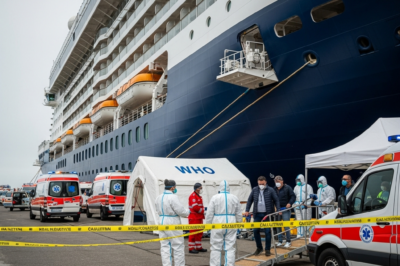
The Escalation of the Cruise Outbreak
In a development that has captured the attention of global health authorities, the World Health Organization (WHO) has confirmed that the number of hantavirus cases linked to a recent outbreak on a cruise ship has risen to 13. This information, initially reported by the Xinhua news agency, highlights a rare and concerning occurrence within the maritime travel industry. Traditionally associated with rural land environments where rodents thrive, hantavirus is not a pathogen commonly seen in the sterile, high-traffic corridors of a luxury cruise liner. The sudden spike from a few isolated reports to a double-digit count has prompted an immediate and rigorous epidemiological investigation. Public health experts are currently working to trace the movements of all infected individuals, who were passengers or crew members on a vessel that had recently docked at multiple international ports. The complexity of these cases lies in the mobile nature of cruise ships, which can carry pathogens across borders in a matter of days, making containment a significant challenge for international health bodies and local port authorities alike.
Understanding the Hantavirus Pathogen
Hantaviruses are a family of viruses spread mainly by rodents. People can become infected through contact with rodent urine, saliva, or droppings. There are two main clinical manifestations of the virus: Hemorrhagic Fever with Renal Syndrome (HFRS), which is more common in Europe and Asia, and Hantavirus Pulmonary Syndrome (HCPS), which is more prevalent in the Americas. The symptoms often start with a high fever, headache, backache, and abdominal pain. As the disease progresses, it can lead to severe complications, including kidney failure or acute respiratory distress. Unlike many other viral threats, hantaviruses are typically not transmitted from person to person; however, the Andes virus in South America has shown rare instances of human-to-human transmission. In the context of a cruise ship, the primary concern is the presence of an infected rodent population that may have gained access to the ship’s infrastructure. The virus can become airborne through the aerosolization of dried rodent waste, which can then be circulated via the ship’s ventilation system or inhaled by those cleaning contaminated areas. This mode of transmission makes the confined spaces of a ship particularly vulnerable once the pathogen is introduced.
The Maritime Challenge: Managing Rodent-Borne Pathogens at Sea
The cruise industry has long faced challenges related to gastrointestinal viruses like Norovirus, but the introduction of hantavirus presents a different set of hurdles. Ships are essentially floating cities with complex logistics, involving the movement of thousands of people and vast amounts of food and supplies. Every time a ship docks at a port, there is a risk of pests boarding the vessel. Rodents are known to be resilient and can enter ships through mooring lines, cargo pallets, or even baggage. Once on board, they can find refuge in the sprawling networks of pipes, cable ducts, and storage rooms that are often inaccessible to routine cleaning crews. The confirmed 13 cases suggest a significant breach in pest control protocols or a particularly aggressive local strain of the virus at one of the ship’s points of origin. Health inspectors are now focusing on the ship’s ‘Vector Management Plan,’ a mandatory requirement under maritime law designed to prevent the harbor of pests. The investigation involves searching for evidence of rodent activity in food preparation areas, guest cabins, and engine rooms, as well as testing the efficacy of the onboard air filtration systems.
International Health Regulations: The Role of the WHO
Following the report by Xinhua, the WHO has activated its monitoring protocols under the International Health Regulations (IHR 2005). These regulations are legally binding on 196 countries and provide a framework for the detection and reporting of public health events that could spread internationally. By reporting the 13 cases, the WHO ensures that neighboring countries and future ports of call are alerted to the potential risk. This transparency is crucial for global health security, as it allows for the implementation of ‘Pratique’ — the license given to a ship to enter a port on the assurance from the captain that she is free from contagious disease. If the outbreak is not contained, the vessel may face quarantine, which has significant economic and logistical ramifications. The WHO is collaborating with the ship’s flag state and the countries where the affected individuals reside to provide clinical guidance and laboratory support. The goal is to standardize the diagnostic criteria and ensure that all cases are accounted for, preventing further spread to the general population once the passengers disembark.
Impact on Global Tourism and Cruise Safety Standards
The cruise industry is currently in a phase of robust recovery following the global pandemic, and news of a hantavirus outbreak could potentially dampen traveler confidence. For many, the idea of a virus spreading in the confined environment of a ship is a major deterrent. This incident underscores the need for cruise lines to invest more heavily in environmental health and safety. It is likely that we will see a push for more stringent pre-boarding inspections for cargo and more frequent, high-tech pest surveillance methods, such as infrared cameras and automated traps. Beyond the immediate health concerns, the 13 confirmed cases raise legal questions regarding the duty of care cruise lines owe to their passengers. If it is found that the outbreak was caused by negligence in pest management, the operators could face significant litigation. However, many industry experts argue that the cruise sector already maintains higher hygiene standards than most land-based hotels and that this outbreak should be viewed as an anomalous event rather than a systemic failure.
Future Mitigation: Technology and Surveillance in Public Health
As we look toward the future of public health, the integration of technology in disease surveillance will be paramount. The use of genomic sequencing to identify the specific strain of the hantavirus in this outbreak can help scientists trace its geographical origin, potentially pinpointing the exact port where the infection was introduced. Furthermore, real-time health monitoring of passengers through wearable technology or digital health declarations could allow for the early detection of symptoms before an outbreak reaches double digits. The 13 cases reported by the WHO serve as a reminder that the world is more connected than ever, and pathogens do not respect borders. Strengthening the collaboration between the maritime industry, national health agencies, and international bodies like the WHO is essential for preventing future occurrences. Increased public awareness about the risks of rodent-borne diseases and the importance of reporting symptoms early can also play a vital role in mitigation strategies. While hantavirus remains rare, its potential for severity necessitates a proactive rather than a reactive approach to global health management.
Concluding Thoughts on the Outbreak
In conclusion, the rise to 13 confirmed hantavirus cases on a cruise ship is a significant event that warrants the full attention of the international community. While the number may seem small in comparison to other global health crises, the implications for maritime safety, pest control, and international health surveillance are profound. This outbreak challenges the cruise industry to refine its protocols and reminds travelers that health risks can take many forms. As the WHO and Xinhua continue to provide updates, the focus must remain on the recovery of the affected individuals and the total eradication of the pathogen from the vessel. By learning from this incident, we can build a more resilient global health framework that is better prepared to handle the unique challenges of infectious diseases in the modern, mobile world. The safety of global travel depends on our ability to adapt, innovate, and remain vigilant against both known and emerging viral threats.






































Leave a Reply