
In Shorts
- Chintan Shivir focused on improving quality, monitoring and outcomes of government programmes for artisans
- Stakeholders emphasized customization, data driven planning and artisan centric delivery models
- Strong push for technology with a human touch, rural outreach and preservation of traditional crafts
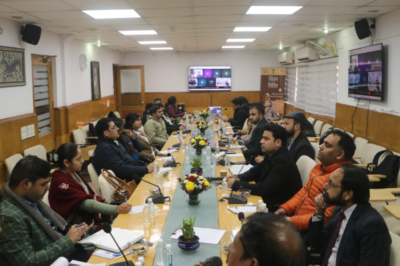
A Chintan Shivir focused on enhancing the quality of government programme delivery was organized on 14 January 2026 at the Northern Regional Office of the Office of the Development Commissioner for Handicrafts in New Delhi. Conducted in a hybrid format, the meeting saw participation both in person and virtually, allowing wide engagement from across regions. The session was chaired by the Regional Director of the Northern Regional Office and brought together a diverse group of stakeholders committed to strengthening outcomes for artisans.
The meeting was attended by Assistant Directors from all Handicrafts Service Centres under the Northern Region, private stakeholders, representatives of artisans, social media professionals, and officials from institutions such as FIEO, ALIMCO and AMS. Senior officials including the Director of Handloom and Handicrafts from Jammu and Kashmir and a Joint Director from the Ministry of Women and Child Development also contributed to the discussions, alongside domain experts and invited participants.
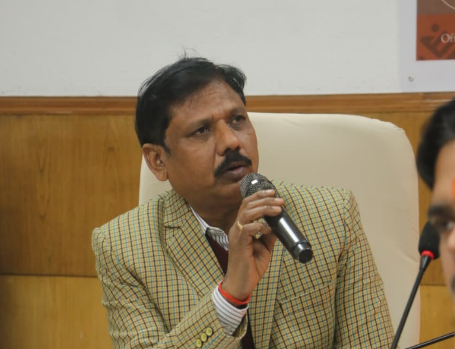
Opening the session, the Regional Director welcomed all participants and outlined the core objectives of the Chintan Shivir through a detailed presentation. He emphasized that every government programme rests on three key stakeholders: the government as the fund provider, implementing agencies such as NGOs or institutions, and the beneficiaries, primarily artisans. According to him, success depends on the alignment and accountability of all three.
The Regional Director highlighted that programme evaluation should not be limited to numerical outputs alone. Instead, greater importance must be given to qualitative indicators that reflect real impact. For example, marketing events should be assessed not only on footfall but also on actual sales and artisan wise performance. He also reiterated the guiding vision of the Ministry of Textiles, built around the principles of Inform, Perform, Reform and Transform. Participants were encouraged to share ground level challenges, suggest measurable assessment parameters and draw lessons from past experiences to improve future programme quality.
Assistant Directors from various Handicrafts Service Centres shared practical insights based on their field experience. A strong case was made for customization of programmes rather than adopting a one size fits all approach. Officials stressed the need to segment artisans based on skill levels, age, education and preferences before designing interventions. Understanding artisan needs in advance was seen as critical to achieving meaningful outcomes.
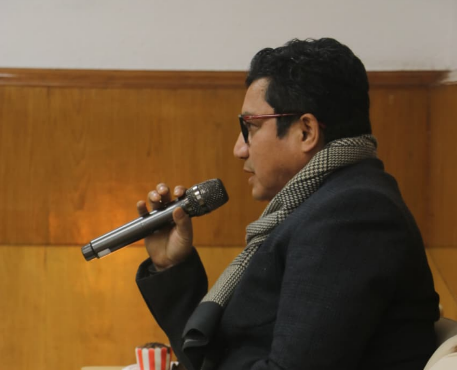
Localized communication emerged as another major theme, with participants recommending the use of FM radio and vernacular language outreach to overcome communication barriers. Motivating artisans through on the spot recognition and awards during events was also proposed as an effective morale booster. Financial discipline was emphasized, particularly the need to ensure that MUDRA loans are used strictly for their intended purposes.
Several speakers highlighted the importance of stronger monitoring, tracking and post training linkages. Suggestions included step by step filtering of artisans during programme implementation, use of biometric systems, online certificates to track repeat beneficiaries, and structured mechanisms to connect trained artisans with marketing platforms. Data enrichment through continuous craft surveys, district wise craft mapping, creation of Craft Resource Centres and a Digital Design Bank was also discussed as a way to preserve traditional heritage.
Administrative efficiency featured prominently in the discussions. Officials called for enhanced manpower strength, periodic review meetings and regular orientation programmes. At the same time, caution was advised against over dependence on technology, as many artisans are still not digitally comfortable. Participants agreed that digital tools should complement, not replace, human interaction, while parallel efforts should be made to gradually improve digital literacy among artisans.
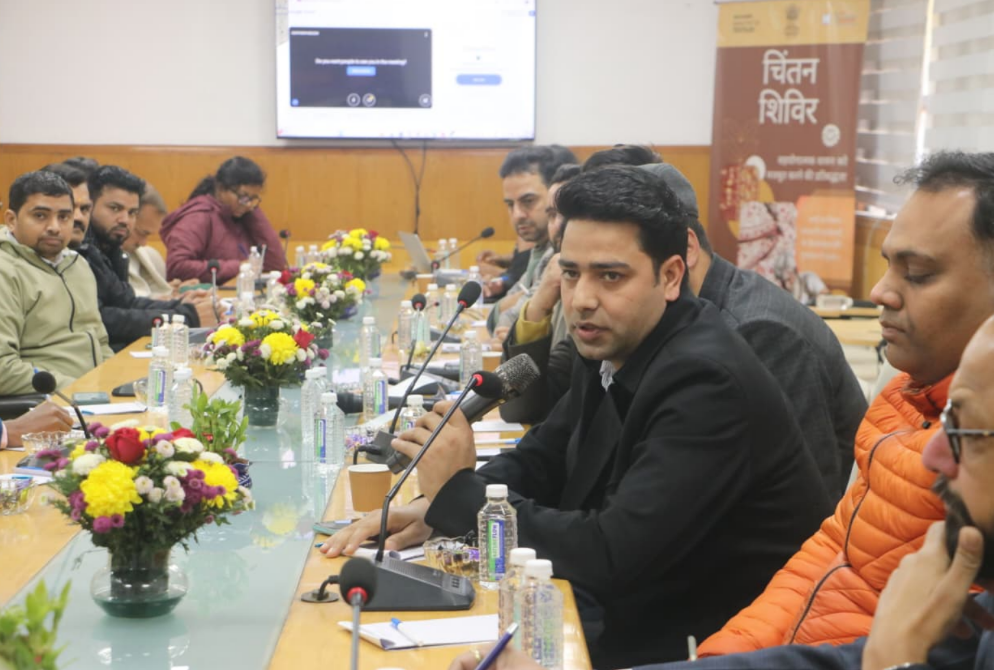
The Director of Handloom and Handicrafts from Jammu and Kashmir shared region specific insights, particularly on the need for packaging interventions. He suggested dedicated packaging programmes with expert training support, especially for high value products like Kani shawls. He also highlighted the success of the Karkhanadar Scheme, which follows a master trainee model and has benefitted hundreds of artisans. Replicating this model in other regions was strongly recommended.
Concern was raised over languishing crafts, particularly the decline of traditional Pashmina hand spinning due to machine alternatives. The need for incentives to preserve hand spinning practices and maintain quality standards was underlined as essential for protecting heritage crafts.
Private stakeholders and experts stressed the importance of an artisan centric approach that equally addresses urban and rural needs. Special emphasis was placed on rural artisans who often lack awareness and access to social media. Strengthening root level connections through Gram Panchayats was suggested to ensure inclusion of artisans beyond digital platforms. Shared accountability between government agencies and artisans was seen as key to long term programme success.
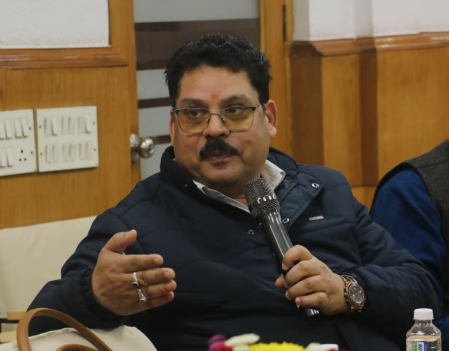
Representatives from the Ministry of Women and Child Development highlighted the need for administrative reforms, including structured training modules for field officials and development of dashboards and MIS systems for easier data access. Clear standard operating procedures and monitoring frameworks were recommended to ensure transparency and consistency. Systematic documentation of case studies and success stories was encouraged for learning, replication and scaling.
ALIMCO representatives focused on strengthening beneficiary identification through Aadhaar linked portals to prevent duplication and enhance transparency. Improved selection mechanisms involving district authorities, local NGOs and development offices were seen as essential to ensure that genuine artisans benefit from government schemes.
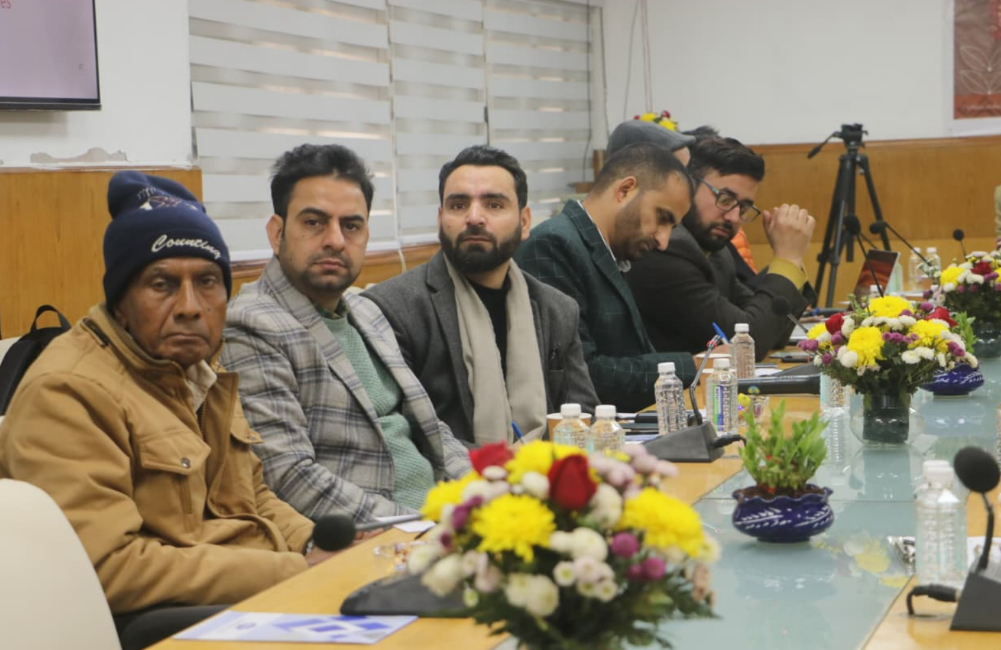
Inputs from FIEO and AMS emphasized advance planning, with event calendars proposed to be finalized two to three years ahead. This would allow artisans adequate preparation time. Centralized databases, vernacular communication through radio and videos, mobile apps for grievance redressal and e commerce training were also highlighted as critical enablers.
Former Regional Director V P Thakur stressed convergence of schemes and replication of successful models like Karkhanadar and SFURTI to optimize resources. He also spoke about addressing competition from low cost imports through innovation, R and D, better packaging and quality enhancement. Improving working conditions, addressing occupational diseases and engaging youth through modernization were identified as urgent priorities.
Private stakeholders echoed the need for reforms in marketing events, suggesting that they be held annually at the same venues to build customer recall. Simplification and digitization of reimbursement procedures, better designer empanelment, need based tool distribution and capacity building for implementing agencies were also discussed.
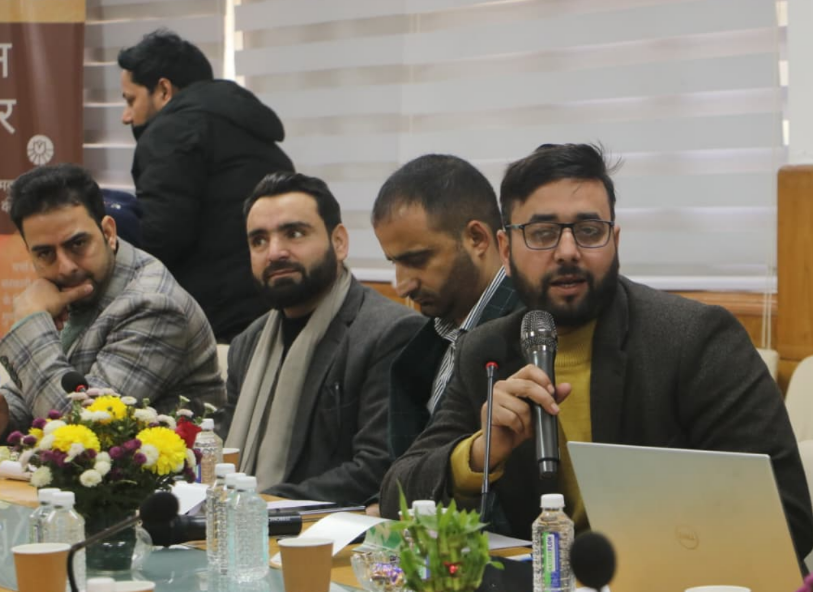
The social media team highlighted the power of digital storytelling in expanding outreach. Reels, short videos and long format content in local languages were seen as effective tools to showcase artisan journeys. Advance promotion and age specific targeted content were recommended to maximize engagement.
In his closing remarks, the Regional Director reiterated the guiding principles of Inform, Perform, Reform and Transform. He emphasized collective responsibility, continuous learning and collaboration among all stakeholders to ensure that government programmes translate into lasting impact on the ground. The meeting concluded with a vote of thanks to the Chair, marking a strong step toward more responsive and high quality programme delivery.






































Leave a Reply