
In Shorts
- India will deploy an indigenous IADWS combining QRSAM and VSHORADS missiles, radars and sensors — to protect Delhi NCR.
- The decision comes amid heightened security concerns after alleged aerial threat attempts by Pakistan earlier this year.
- This marks a strategic shift away from expensive foreign systems in favour of domestic air-defence capabilities.
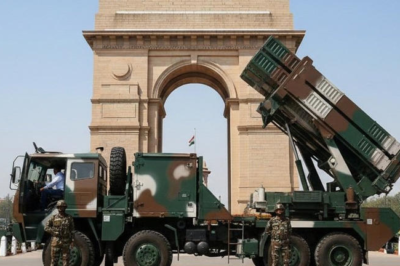
New Delhi is moving ahead with plans to shield the Delhi National Capital Region from aerial threats by deploying a home-grown Integrated Air Defence Weapon System (IADWS). The multi-layered system built around domestically developed missile platforms, radars, sensors and advanced command-and-control architecture is expected to neutralise missiles, drones, and fast-moving aircraft.
The defence initiative is being fast-tracked by the Ministry of Defence after security agencies reportedly detected earlier attempts by Pakistan to target Indian territory during operations in May this year. Those incidents triggered a comprehensive review of the capital’s aerial security environment, prompting authorities to seek a more robust, indigenous solution.
Under the new structure, the IADWS will employ missiles such as Quick Reaction Surface-to-Air Missiles (QRSAM) and Very Short-Range Air Defence (VSHORADS) systems. These will be complemented by a network of sensors, radars and real-time command centres all managed by the country’s defence establishments.
Earlier, India had considered acquiring the US-made NASAMS-II system, but decided against it due to its steep price. The shift toward a domestically built system reflects a broader push for self-reliance in defence technology and a desire to reduce dependence on foreign suppliers.
The operational control of the system will rest with the Indian Air Force (IAF), while development and integration efforts will be led by Defence Research and Development Organisation (DRDO) in coordination with domestic production agencies. This collaboration aims to ensure that missile units, detection systems and command-control networks operate seamlessly under one integrated architecture.
India’s recent air-defence upgrades already include missile systems such as medium-range SAMs and the long-range SAM under development. The IADWS now promises to become the backbone of a comprehensive defence shield over the capital’s airspace.
By investing in locally developed systems, India is not only reinforcing its strategic defence posture but also signalling confidence in its growing defence manufacturing capabilities. This move could pave the way for similar indigenous air-defence deployments in other strategic cities across the country.






































Leave a Reply