
In Shorts
- Government sanctions Rs 92,000 crore in railway projects as part of Budget 2026 initiatives.
- Two new high-speed rail corridors, Delhi-Varanasi and Varanasi-Siliguri, receive approval to enhance connectivity.
- Projects expected to shorten travel times and accelerate economic development across key regions.
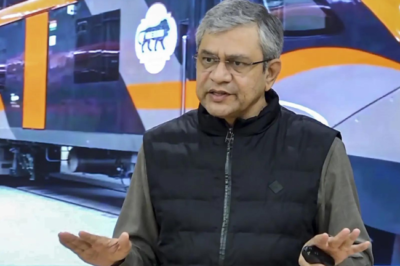
New Delhi India’s railway landscape is set for a dramatic overhaul after the Centre approved a staggering Rs 92,000 crore worth of development projects, announced by Union Railway Minister Ashwini Vaishnaw as part of the 2026-27 budget framework.
Addressing the media, Vaishnaw highlighted that this investment marks one of the largest single-year commitments to railway infrastructure. The funds will support a broad spectrum of upgrades including track expansion, station modernization, safety enhancements, and other critical works across multiple states. Analysts say this level of funding could reshape mobility options for millions of travellers.
A headline announcement was the approval of two new high-speed rail corridors designed to bring bullet train service to major population and economic centres. The Delhi-Varanasi route and the Varanasi-Siliguri link have both been sanctioned to accelerate travel times between these cities and catalyze regional development.
According to railway officials the Delhi-Varanasi high-speed corridor will drastically cut the journey between the national capital and the cultural hub of Varanasi. The project promises to be a gamechanger for pilgrims, business travellers, and residents, cutting current travel time by more than half once operational.
The proposed Varanasi-Siliguri corridor will pass through key cities in Uttar Pradesh, Bihar, and West Bengal and is poised to significantly enhance connectivity in northern and eastern India. This route is expected to support economic activity and reduce the travel burden across long distances for both passengers and freight alike.
These corridors form part of a broader national vision to construct multiple high-speed rail links that will eventually connect major cities across the country. The Union Budget also allocated substantial capital for rail modernization projects and new technologies that aim to improve efficiency and sustainability.
Industry experts say such investments are likely to boost local economies, create jobs, and promote tourism as well as investment in sectors reliant on reliable logistics infrastructure. Critics note that land acquisition and execution challenges could delay timelines, but the long-term economic thrust is widely viewed as positive.
With this approval, India takes a bold step toward building a more connected high-speed rail network that could redefine travel for future generations.






































Leave a Reply