
In Shorts:
- A major international financial analysis from Bloomberg highlights the massive scale and recognized integrity of India’s general elections.
- This global praise arrives even as opposition parties level serious allegations of delays and mismanagement against the Election Commission of India (ECI).
- The ECI has firmly defended its actions, dismissing the criticism as “speculative” and affirming the fairness of the electoral process.
In a development that adds a new layer to the ongoing national discourse, India’s monumental election process has garnered notable recognition on the world stage. This external applause, however, lands squarely in the midst of fierce domestic criticism from opposition parties, creating a striking narrative of contrast.
The recognition comes from a detailed analysis by Bloomberg Economics, which termed the Indian general election a “colossal exercise in democracy.” The report emphasized the sheer logistical marvel of the process, overseeing by the Election Commission of India (ECI), which facilitates voting for nearly one billion eligible citizens across diverse and challenging terrains. It underscored the established integrity of the process, which has historically ensured peaceful transitions of power—a cornerstone of the nation’s democratic credentials.
Simultaneously, and almost in parallel to this global acknowledgment, a coalition of major opposition parties in India launched a sharp critique against the very body praised for its management. In a press conference, leaders from the INDIA bloc mounted a significant attack on the ECI, accusing it of “partisanship” and a “sir” (slip) in its constitutional duty. Their primary allegations centered on what they perceive as undue delays in releasing final voter turnout figures and a lack of transparency in the process. They raised concerns about discrepancies between initial estimates and subsequently released data, demanding immediate clarification and action.
The opposition’s “sir attack” posited that these alleged irregularities could undermine public confidence in the electoral mandate. This criticism has added fuel to an already supercharged political atmosphere, with parties questioning the impartiality of the election machinery during a crucial national poll.
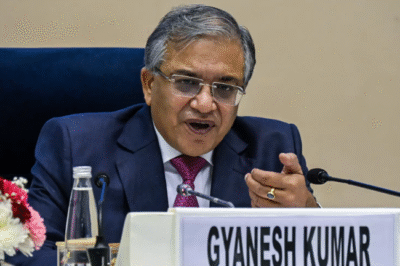
Responding to the volley of allegations, the Election Commission of India issued a robust defense. Dismissing the charges, the ECI labeled the opposition’s claims as based on “speculative and false” notions. In its statement, the Commission reaffirmed its commitment to fairness and transparency, asserting that all due processes are being followed meticulously. It maintained that the electoral process remains pristine and that the criticism was unfounded.
This juxtaposition presents a fascinating moment for Indian democracy: international observers highlighting the strength and scale of its electoral system, while domestic political forces engage in intense scrutiny of its administrators. The event underscores the vibrant, if contentious, nature of democratic debate in the world’s largest democracy, where global praise does not insulate institutions from rigorous domestic accountability. As the final phases of the election approach, the focus remains firmly on both the conduct of the polls and the integrity of its outcome.





































Leave a Reply