
In Shorts
- India depends heavily on LPG imports, most of which pass through a conflict-hit region
- Disruptions in shipping routes like the Strait of Hormuz have slowed supply
- Government is prioritizing household LPG while industries face cuts
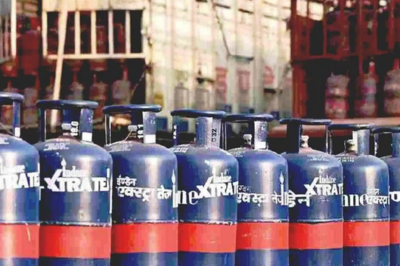
India is currently grappling with a major liquefied petroleum gas or LPG supply disruption, and the root cause lies far beyond its borders. The ongoing conflict in West Asia involving the United States and Iran has triggered a chain reaction that is now being felt in Indian households.
At the heart of the issue is India’s heavy reliance on imports. Nearly 60 percent of the country’s LPG demand is met through imports, with a significant share coming from the Middle East. This dependence has made India highly vulnerable to geopolitical tensions in the region.
One of the most critical choke points in global energy supply is the Strait of Hormuz. This narrow passage handles a large portion of the world’s oil and gas shipments. Due to the ongoing conflict, shipping activity through this route has been disrupted, delaying LPG cargoes headed to India.
With tankers stranded and deliveries slowed, the supply chain has come under severe stress. Reports indicate that several Indian vessels carrying LPG have been stuck in the region, forcing authorities to explore alternative logistics solutions.
The crisis is not just about supply delays. Demand for LPG remains consistently high, especially since it is the primary cooking fuel for millions of households. This imbalance between supply and demand has led to longer waiting times for cylinders, panic buying in some areas, and even black market activity.
To manage the situation, the government has shifted its focus toward ensuring that households receive priority access to LPG. Industrial and commercial users have seen supply cuts as a result. This has impacted sectors like restaurants and manufacturing, where operations heavily depend on consistent gas availability.
The ripple effects are already visible across the economy. Many small businesses are struggling with rising fuel costs and inconsistent supply, while some industries have scaled down operations.
In response, India is exploring multiple solutions. These include sourcing LPG from alternative countries, retrieving stranded shipments, and even promoting substitutes like piped natural gas and electric cooking options.
There are also signs of strategic adjustments. India has reportedly resumed limited imports of LPG from Iran after years, taking advantage of temporary easing in sanctions to boost supply.
Despite the challenges, oil companies have urged citizens not to panic, stating that supplies are being managed carefully. However, experts warn that the situation highlights a deeper issue: India’s dependence on external energy sources.
The ongoing crisis serves as a reminder that global conflicts can directly affect everyday life, even something as basic as cooking a meal. As the geopolitical situation evolves, India’s energy security strategy may need significant changes to avoid similar disruptions in the future.





































Leave a Reply