
In Shorts:
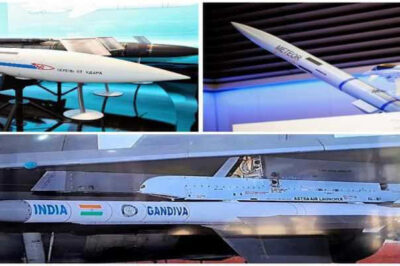
- India is enhancing its air power by integrating three advanced missiles: the Meteor, the indigenous ASTRA, and the R-37M.
- This combination provides a multi-layered defense strategy, capable of engaging enemy aircraft at very long ranges and in close-quarters combat.
- The move is seen as a strategic counterbalance to the growing aerial capabilities of neighboring powers like China and Pakistan.
NEW DELHI – The Indian Air Force (IAF) is strategically assembling a formidable “wall of fire” in the skies, moving beyond single-platform solutions to a layered air dominance strategy. At the heart of this transformation is a lethal combination of three cutting-edge air-to-air missiles: the European Meteor, the indigenous ASTRA series, and the Russian R-37M. This tripartite arsenal is poised to give Indian fighter pilots a decisive edge in any future conflict.
Analysts at AlwaysFirst note that this is not merely an upgrade but a fundamental recalibration of India’s aerial combat doctrine. The strategy focuses on engaging and neutralizing enemy aircraft—including fighters, reconnaissance planes, and high-value support aircraft like AWACS and tankers—well before they can threaten Indian airspace or ground forces.
Leading this advanced pack is the MBDA Meteor, often dubbed a “no-escape zone” missile. Integrated with the IAF’s Rafale fighter jets, the Meteor’s ramjet engine allows it to maintain high speed and energy throughout its flight, making it exceptionally deadly at beyond-visual-range (BVR). Unlike traditional missiles that can lose power and become predictable, the Meteor can adjust its trajectory to chase down evading targets, posing a severe threat to any potential adversary’s most advanced aircraft.
Complementing the Meteor is the homegrown success story, the ASTRA family. Developed by the Defence Research and Development Organisation (DRDO), the ASTRA missiles represent a giant leap in India’s quest for self-reliance in defense. The ASTRA Mk-I is already operational, providing a reliable and potent BVR option. Its upcoming variants, the Mk-II and Mk-III, are designed with even greater range and versatility, ensuring the IAF can hold targets at risk at various distances, creating a complex and layered challenge for any intruding force.
Completing this formidable trio is the Russian R-37M, a long-range hypersonic missile carried by the IAF’s Su-30MKI fleet. This weapon serves as the “sniper” of the package, capable of striking high-value targets such as enemy AWACS “eyes in the sky” and air-to-air refueling aircraft from over 300 kilometers away. By threatening these crucial force multipliers, the R-37M can effectively blind and cripple an enemy’s air campaign before its fighters even get close.
Military experts suggest that this carefully curated missile mix directly addresses the strategic imperatives posed by India’s primary regional challenges. It provides a robust counter to the evolving aerial inventories of both Pakistan and China, ensuring the IAF is not just prepared to defend its skies but is equipped to establish air superiority from the opening moments of any confrontation. This multi-layered approach signifies a mature and potent evolution of India’s air power, sending a clear message of deterrence and capability.




































Leave a Reply