
In Shorts:
- India adopts a “wait-and-see” approach towards potential US tariff threats under a possible Trump administration.
- A fortified domestic economy and diversified global trade partnerships provide New Delhi with significant negotiating leverage.
- Experts suggest India is better positioned now than in 2018 to negotiate a mutually beneficial trade deal.
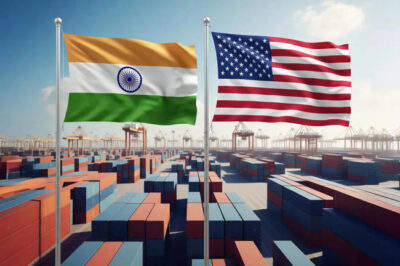
NEW DELHI – In the high-stakes arena of international trade, timing is everything. As former US President Donald Trump floats the possibility of sweeping new tariffs if re-elected, nations worldwide are bracing for impact. Yet, in the corridors of power in New Delhi, the mood is one of calculated calm, not panic. India, it appears, is prepared to play the long game.
This marks a significant shift from the trade dynamics of 2018, when the previous Trump administration’s tariff policies put several trading partners, including India, on the defensive. Today, a confluence of economic resilience and strategic repositioning has afforded India a new-found space to negotiate from a position of strength.
The Foundations of India’s Negotiating Leverage
So, what has changed? Analysts point to several critical factors. Firstly, India’s domestic economic landscape has transformed. With a robust growth rate that outpaces many major economies, a burgeoning domestic market, and a concerted push for self-reliance in key sectors, India is less vulnerable to unilateral trade pressure than it was half a decade ago.
“The dependency equation has evolved,” explains a senior trade analyst who spoke with AlwaysFirst on condition of anonymity. “The US market remains critically important, but India’s own consumer base is now a powerful magnet. American businesses seeking access to this market provides a natural counterbalance in any negotiation.”
Secondly, India has actively diversified its economic alliances. The signing of trade agreements with key partners like the UAE and Australia, alongside strengthened ties with the European Union, has reduced its over-reliance on any single market. This web of trade relationships provides alternative avenues for growth, insulating the economy and giving diplomats more cards to play at the negotiating table.
A Shift from Reaction to Strategy
This is not to say India is dismissive of US concerns. Negotiations for a limited trade deal have been in the works for years, covering everything from agricultural products to medical devices. The current stance, however, suggests a move from a reactive posture to a strategic one. New Delhi seems to be assessing that a blanket 10% tariff threat from the US is a starting point for discussion, not an immovable decree, and that a rushed deal may not serve its long-term interests.
“The Biden administration also pursued a hard line on certain issues, like India’s digital taxes and data localization policies,” the analyst added. “Navigating that has prepared the Indian establishment for complex talks, regardless of the administration in Washington. The focus is on securing a deal that is truly equitable, not just swift.”
As the global economic order continues to recalibrate, India’s patient approach signals a mature and confident foreign policy. The message from New Delhi is clear: it is ready to talk, but it will do so on its own terms and timeline.




































Leave a Reply