
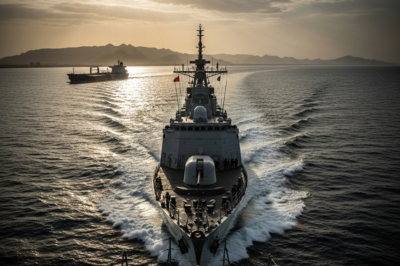
As tensions between Iran and Israel continue to escalate, the Iranian military has shifted its rhetoric toward the strategic Strait of Hormuz. In a recent statement, military officials highlighted that asserting total control over this critical maritime chokepoint is not merely a tactical move but a potential source of ‘significant’ economic revenue for the Islamic Republic. This development marks a pivotal moment in the ongoing conflict, as the focus expands from military exchanges to global energy logistics.
Economic Leverage in a Geopolitical Hotspot
The Strait of Hormuz remains the world’s most important oil transit point, with approximately 20% of the global petroleum supply passing through its narrow waters daily. Iranian military leaders suggest that by tightening their grip on the passage, Tehran could effectively monetize its geographical advantage. Whether through transit fees, increased regulation, or strategic tolls, the military aims to leverage this position to bypass international sanctions and bolster the national economy amidst the rising costs of the war with Israel.
Regional Stability and Global Energy Impact
International observers and energy analysts are closely monitoring these developments, fearing that any disruption to the flow of oil could send global fuel prices skyrocketing. The Iranian military’s focus on economic gains underscores a long-term strategy to sustain its defense capabilities. However, such a move carries the risk of direct confrontation with Western powers who have long guaranteed freedom of navigation in the region. The interplay between military dominance and financial sustainability is now a central theme in the evolving Middle Eastern power struggle.
As the situation unfolds, the international community remains on high alert. The potential transformation of the Strait of Hormuz into a revenue-generating tool for the Iranian military introduces a complex variable into the Iran-Israel war, one that could have far-reaching implications for global trade and regional security.




































Leave a Reply