
In Shorts
- Reza Pahlavi calls on protesters to prepare to seize and hold key city centers as nationwide unrest grows.
- He urges strikes in major economic sectors and invites security personnel to join the movement.
- The opposition leader says he is preparing to return to Iran, saying the regime is vulnerable.
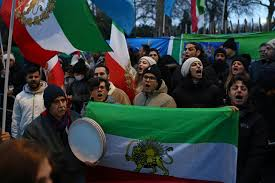
Iran is experiencing one of its most intense waves of anti-government unrest in years as demonstrations continue to sweep across the country. In an increasingly forceful message, exiled Iranian figure Reza Pahlavi has called on protesters to escalate their actions by preparing to seize and hold the centers of major cities, marking a significant shift in the opposition’s strategy. Speaking from abroad, Pahlavi told supporters that simply taking to the streets is no longer sufficient. Instead, he urged people to move toward strategic urban hubs and secure them from authorities, a plan he says will weaken the current regime’s hold on power. He also announced plans to return to Iran when conditions are right, framing his return as imminent and tied to “national revolution’s victory.”
In addition to street actions, Pahlavi appealed for broad economic disruption by calling on workers in transportation, energy, and other key sectors to launch nationwide strikes. The goal, he said, is to cut off the regime’s financial lifelines and amplify pressure on the government. He also directly addressed members of Iran’s security apparatus, encouraging them to defect and align with protestors rather than uphold state repression. The calls come amid widespread unrest that began weeks ago, initially triggered by economic grievances including inflation and currency devaluation. The protests have since evolved into broader demands for political change and an end to the Islamic Republic’s clerical rule. Reports of violent crackdowns by security forces have emerged, with rights groups estimating hundreds of casualties amid mass detentions and internet blackouts. For many in Iran and the diaspora, Pahlavi’s statements have injected renewed energy into the movement. His supporters say his leadership provides a focal point for broader opposition sentiment. Critics, however, remain wary of his long absence from the country and question his ability to unify diverse protest factions. With the situation evolving rapidly on the ground and significant international attention on Tehran’s response, Pahlavi’s declaration marks a pivotal moment in a crisis that continues to challenge the stability of Iran’s political order.


































Leave a Reply