
The Breaking Point: Iran Defies Maritime Blockades
In a geopolitical move that has sent ripples through the global energy markets, Iran has successfully navigated two massive supertankers, carrying a combined 3.8 million barrels of crude oil, out of a high-pressure US blockade zone. This development, first reported by major financial outlets, marks a significant escalation in the ongoing economic and maritime tension between Washington and Tehran. The exit of these Very Large Crude Carriers (VLCCs) represents not just a logistical success for the Iranian National Oil Company but a pointed political statement regarding the efficacy of unilateral sanctions in a multipolar world. As the vessels move toward their undisclosed destinations, the international community is left to grapple with the implications of this breach on oil prices, regional stability, and the future of international trade law.
The Logistics of Defiance: A Closer Look at the Supertankers
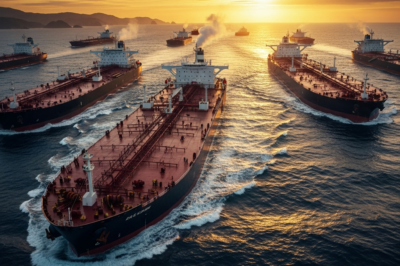
The two vessels involved in this operation are part of Iran’s expansive and increasingly sophisticated fleet of oil tankers. Each VLCC is capable of carrying approximately 2 million barrels of oil, making them the workhorses of the global energy trade. To successfully exit a blockade area while under intense satellite and naval surveillance requires a combination of technical precision and strategic timing. Reports suggest that these tankers may have utilized several tactics common in the ‘gray market’ of oil transit, including the disabling of Automatic Identification Systems (AIS), ship-to-ship transfers in deep waters, and the use of ‘flags of convenience’ from nations that do not strictly adhere to US-led sanctions. The sheer volume of 3.8 million barrels is enough to meet the daily energy requirements of a medium-sized industrial nation for several days, highlighting the massive economic value involved in this single transit operation. The successful departure of these ships suggests that the Iranian maritime infrastructure remains robust despite years of external pressure designed to cripple it.
The Geopolitical Chessboard: US-Iran Relations and the Sanctions Regime
To understand the significance of this event, one must look back at the historical context of US-Iran relations, particularly the ‘Maximum Pressure’ campaign initiated during the Trump administration and largely maintained under the Biden administration. Since the US withdrawal from the Joint Comprehensive Plan of Action (JCPOA) in 2018, the United States has sought to reduce Iran’s oil exports to zero. This policy was intended to starve the Iranian government of the hard currency needed to fund its regional activities and nuclear program. However, Iran has consistently found creative ways to bypass these restrictions. The current incident indicates a potential softening or a technical failure in the enforcement of the blockade, or perhaps a more emboldened Iranian stance in light of shifting global alliances. With the world’s attention divided by conflicts in Eastern Europe and the Levant, Tehran appears to be capitalizing on a distracted international enforcement mechanism to bolster its own economy.
Global Energy Security and Market Volatility
The sudden influx of 3.8 million barrels of Iranian crude into the global market, even if sold through unofficial channels, has immediate consequences for oil pricing. Historically, Brent and WTI crude prices react sharply to changes in supply from the Persian Gulf. By successfully exporting this volume, Iran is effectively increasing the global supply, which could exert downward pressure on prices at a time when OPEC+ is attempting to maintain price stability through production cuts. Furthermore, the role of China as a primary consumer of Iranian oil cannot be overstated. Beijing has long been a vocal critic of unilateral US sanctions and has continued to purchase Iranian crude at a discount, providing a vital lifeline to Tehran. This latest shipment likely strengthens the energy ties between the two nations, further complicating the US strategy of economic isolation. As these supertankers reach their destinations, market analysts will be watching closely to see how other oil-producing nations respond to this unconventional supply surge.
The Technology of ‘Ghost Fleets’ and Maritime Evasion
The term ‘ghost fleet’ has become synonymous with Iran’s method of skirting international sanctions. This refers to a network of aging tankers that operate under opaque ownership structures and frequently change their names and registration. The 3.8 million barrels currently at sea are likely being transported using these methods. Advanced technology plays a dual role here: while the US uses high-resolution satellite imagery and AI-driven tracking to monitor these vessels, the tankers use sophisticated AIS spoofing to broadcast false locations. This cat-and-mouse game on the high seas is a testament to the high stakes of energy warfare. The successful exit of these two supertankers suggests that the technology of evasion is currently keeping pace with, or even outstripping, the technology of enforcement. This raises serious questions for maritime regulators and the International Maritime Organization (IMO) regarding the safety and legality of such operations, as ‘ghost’ vessels often operate without standard insurance and may skip necessary maintenance, posing environmental risks to the world’s oceans.
Regional Stability and the Middle East Power Balance
For Iran, the ability to export oil is a matter of national survival and regional influence. The revenue from these 3.8 million barrels will likely be used to stabilize the Iranian rial, which has faced significant devaluation, and to fund domestic infrastructure projects. Beyond economics, this move is a signal to regional rivals such as Saudi Arabia and Israel that Iran remains a potent player in the energy sector, capable of projecting its will despite international constraints. The Strait of Hormuz, through which much of this oil passes, remains the world’s most critical maritime chokepoint. Any tension in this area immediately impacts the security calculus of every nation in the Middle East. By successfully navigating the blockade, Iran is asserting its right to freedom of navigation and trade, challenging the narrative that the US can unilaterally control the flow of energy from the region.
Looking Ahead: The Future of Sanctions Enforcement
As the international community digests the news of the Iranian supertankers’ departure, the focus shifts to the potential US response. Will there be further seizures of Iranian cargo in international waters, or will the US choose a path of diplomatic de-escalation? The success of this export operation may encourage other sanctioned nations to adopt similar tactics, potentially undermining the long-term effectiveness of economic sanctions as a tool of foreign policy. The world is moving toward a more fragmented trade system where traditional alliances are being tested by the pragmatic need for energy resources. The 3.8 million barrels of crude now making their way across the ocean are a clear indicator that the battle for energy dominance and geopolitical influence is far from over. In the coming months, the actions of the US Treasury and the Iranian Revolutionary Guard Corps (IRGC) will dictate the next chapter in this high-stakes maritime drama.
Conclusion: A New Era of Energy Geopolitics
In conclusion, the exit of two Iranian supertankers with 3.8 million barrels of crude from a US blockade area is a landmark event in contemporary geopolitics. it highlights the limits of economic warfare and the resilience of states that find themselves at odds with the Western-led international order. As these vessels continue their journey, they carry more than just oil; they carry the weight of a changing global power structure where the lines between legal trade and sanctioned activity are increasingly blurred. For the global economy, this means a more complex and unpredictable energy market. For the diplomats and strategists in Washington and Tehran, it means the search for a new equilibrium continues, with the high seas as the primary theater of conflict and cooperation.



































Leave a Reply