
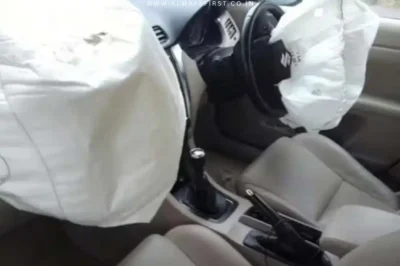
In Shorts
- Learn the crucial dashboard warning light that serves as the primary health-check for your entire airbag system.
- Discover the simple two-step process to perform a system check without any special tools.
- Understand why this quick verification is essential and what immediate steps to take if the warning light behaves unexpectedly.
AlwaysFirst Reports: Your car’s airbag is a silent guardian, a complex system you hope you’ll never need to use. But in the event of a collision, its proper function can be the difference between life and death. So, how can you be sure it’s working without a trip to the mechanic? The answer lies in a simple, under-one-minute process that leverages your car’s own built-in diagnostics.
The entire check revolves around your vehicle’s SRS warning light. SRS stands for Supplemental Restraint System, which is the formal name for your airbag system. When you turn the ignition key or push the start button, the first thing you should do is watch your instrument cluster closely. You will see a red or amber light depicting a person seated with a ball in their lap, often labeled “SRS” or “AIRBAG.” This light should illuminate brightly for a brief period—typically 5 to 7 seconds—as the car’s computer runs a self-diagnostic test on the entire airbag circuit.
The crucial part is what happens next. If the system detects no faults, the warning light will turn off completely and stay off while you drive. This is the primary indicator that your airbag system is functionally ready. The sequence is simple: Light ON with ignition > Computer self-check > Light OFF if no issues are found. This quick visual confirmation is something every driver should make a habit each time they start their car.
However, experts speaking to AlwaysFirst warn that any deviation from this pattern is a cause for immediate action. If the SRS light fails to illuminate at all when you start the car, or if it stays on continuously while driving, it signals a potential problem. A persistent light could indicate an issue with sensors, the wiring, or the airbag module itself. In such cases, it is imperative to have your vehicle inspected by a certified professional without delay. Under no circumstances should you attempt DIY repairs on an airbag system, as accidental deployment can cause serious injury.
Ultimately, this 60-second dashboard check is a vital piece of preventative safety. It empowers drivers with immediate awareness of their vehicle’s most critical protective features, ensuring that their silent guardian is truly standing watch.




































Leave a Reply