
In Shorts
- Kashmir Pashmina GI registration aims to curb counterfeit products and protect artisan livelihoods.
- Traditional weaving rooted in Ladakh’s Changthangi goat wool sustains thousands of rural families.
- CDI initiative strengthens global credibility of India’s luxury handicraft sector.
India’s handicrafts industry forms a critical pillar of the rural economy, offering livelihood opportunities to lakhs of artisans across remote and economically vulnerable regions. Once practiced mainly as a supplementary occupation, handicrafts have steadily evolved into a significant income generating enterprise, driven by rising domestic and international demand for traditional products. Despite its economic relevance, the sector continues to grapple with limited access to modern technology, financial resources, market awareness, and institutional support. Strengthening heritage crafts such as Kashmir Pashmina is therefore essential not only for economic resilience but also for preserving cultural identity.
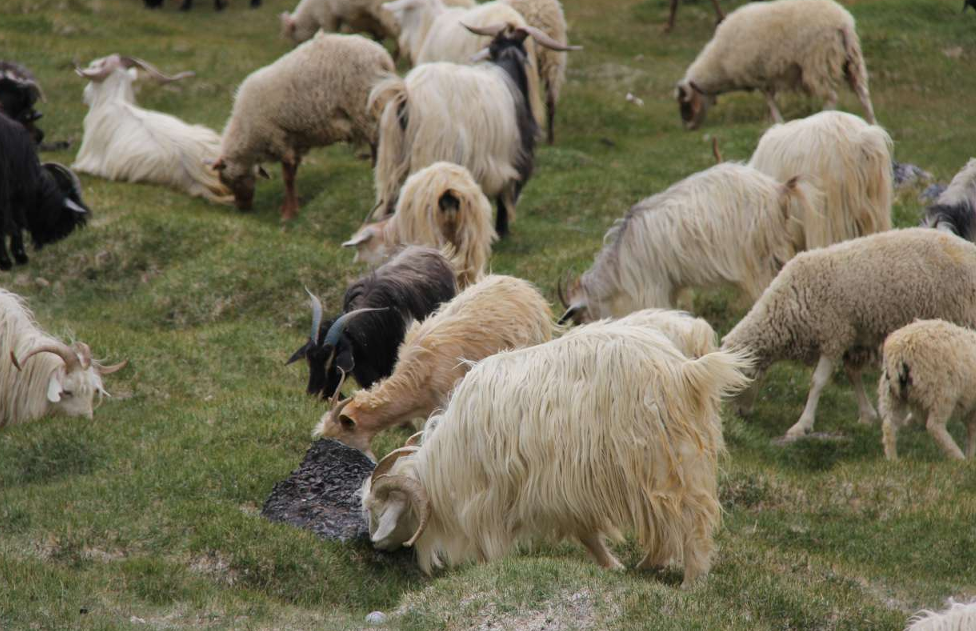
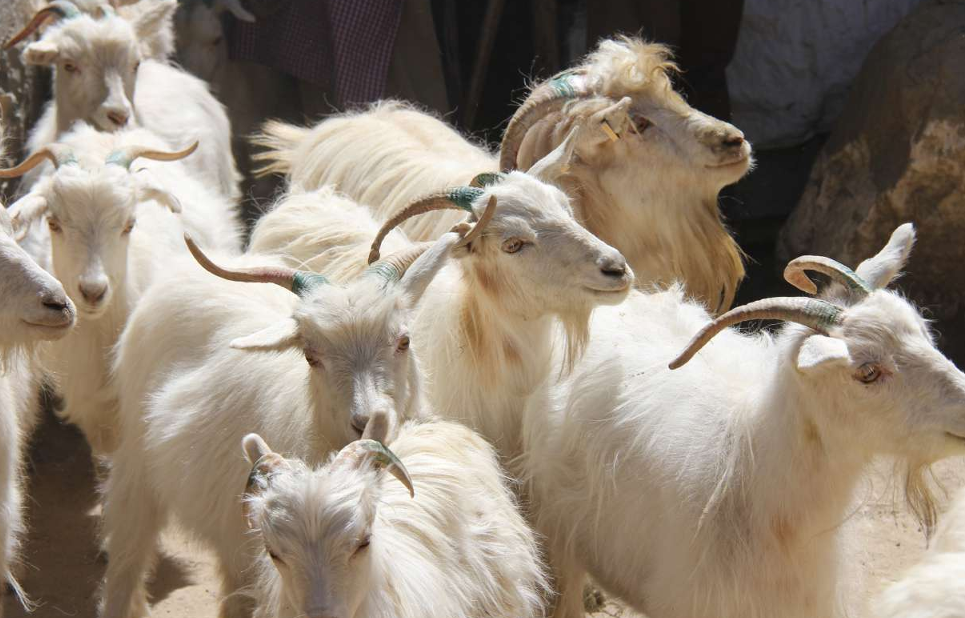
Pashmina, often described as the Diamond Fibre of Asia, originates from the Persian word Pashm, meaning wool. It is derived from the fine undercoat of the Changthangi goats that inhabit the high altitude plateaus of Ladakh. These goats endure extreme winter temperatures that can plunge to minus 40 degrees Celsius, developing an exceptionally soft and ultra fine wool layer for insulation. This rare fibre, globally known as Cashmere, is valued for its lightweight warmth, natural sheen, and remarkable fineness ranging between 12 and 16 microns.
The legacy of Pashmina weaving is deeply intertwined with the cultural heritage of Kashmir. Historical accounts trace the introduction of the craft to Persian artisans who accompanied the revered saint Mir Syed Ali Hamdani centuries ago. Over time, local artisans refined the weaving techniques into a globally admired textile tradition that transitioned from being a necessity for survival in harsh winters to a symbol of luxury and artistic excellence.
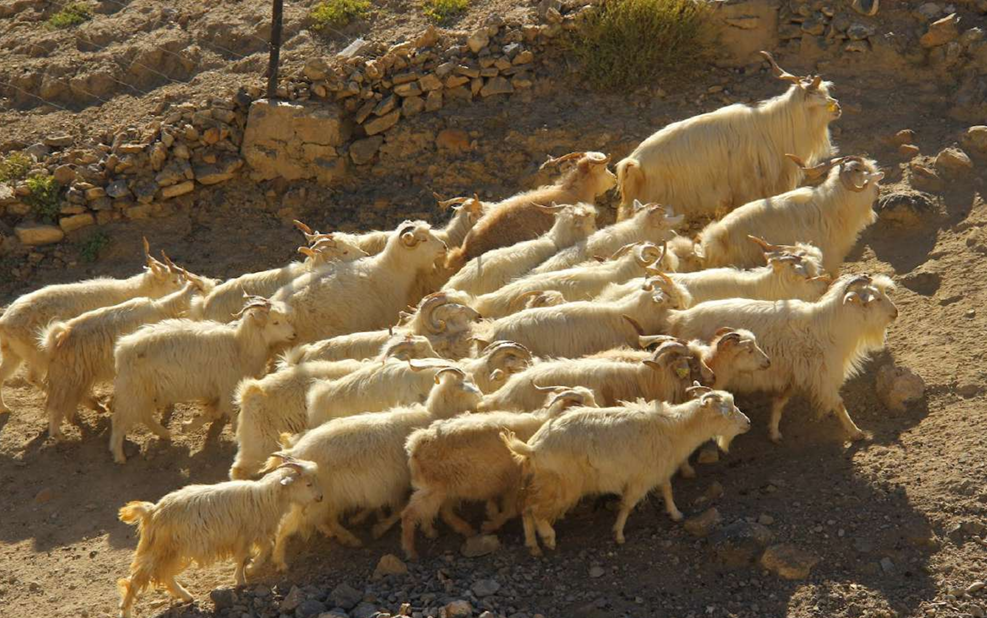
Crafting authentic Pashmina remains a labour intensive and highly specialized process involving several stages. Raw wool sourced from Changra goats is first cleaned and naturally dried to preserve softness. It is then hand spun by women artisans using a traditional wooden spinning wheel known as yinder to produce delicate yarn. The weaving process is carried out on wooden looms where warp and weft threads are interlaced with precision to maintain strength without compromising the fabric’s airy texture. The final stages involve washing, finishing, and sometimes intricate embroidery that enhances its visual appeal.
Designing Pashmina represents a seamless blend of tradition and innovation. Artisans incorporate classic motifs such as paisleys, florals, and nature inspired patterns along with contemporary design elements. Embroidery styles including Kashida and Kani elevate the fabric into wearable art, reflecting both cultural continuity and evolving creativity.
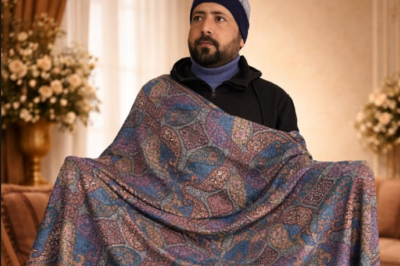
Kashmir Pashmina is available in multiple styles including elegant wraps, soft scarves, and intricately embroidered shawls that are often passed down as heirloom pieces. Beyond commerce, the craft symbolizes generational knowledge, cultural pride, and artistic resilience. It supports thousands of families involved in spinning, weaving, dyeing, embroidery, and finishing activities across the region.
In a significant development for the handicrafts sector, the Craft Development Institute has taken steps to secure Geographical Indication registration for Kashmir Pashmina under the Geographical Indications of Goods Act. This initiative seeks to prevent misuse of the name by non genuine producers and protect the authenticity associated with the region’s traditional craftsmanship.
GI recognition will provide legal protection against imitation products in both domestic and international markets while enhancing the textile’s brand value and market credibility. It also ensures economic security for artisans engaged in producing genuine hand spun and handwoven Pashmina using traditional techniques practiced in Jammu and Kashmir.
Kashmir Pashmina derives its uniqueness from ultra fine fibres obtained from Himalayan mountain goats, traditional hand spinning methods, and distinct weaving patterns such as twill, diamond, and herringbone. The raw fleece is primarily sourced from the Changthang region of Ladakh and processed in Srinagar through a traditional production chain that has evolved over more than six centuries.
Today, authentic Kashmir Pashmina continues to stand as a testament to ecological harmony, artistic dedication, and sustainable luxury. Supporting this heritage craft not only strengthens rural livelihoods but also promotes responsible fashion practices while preserving India’s rich textile legacy for future generations.




































Leave a Reply