
The Global Burden of Malaria in Maternal Health
Malaria during pregnancy remains one of the most significant public health challenges in tropical and subtropical regions across the globe. According to reports highlighted by the Deccan Chronicle and recent data from the World Health Organization (WHO), the intersection of pregnancy and malaria infection creates a unique and perilous health crisis that affects millions of women annually. In areas where malaria is endemic, pregnant women are significantly more susceptible to infection than their non-pregnant counterparts. This increased vulnerability is primarily due to the physiological and immunological changes that occur during pregnancy, which dampen the body’s natural ability to fight off the Plasmodium parasite. When a pregnant woman contracts malaria, she is not the only one at risk; the health and survival of her unborn child are equally in jeopardy. This dual threat necessitates a comprehensive approach to maternal healthcare that prioritizes early detection, preventative treatment, and community awareness to safeguard two lives at once.
The Biological Mechanism of Placental Malaria
To understand why malaria is so dangerous during pregnancy, one must look at the biological behavior of the parasite, particularly Plasmodium falciparum. In a pregnant woman, infected red blood cells have a unique tendency to sequester in the placenta. This phenomenon, known as placental malaria, occurs because the parasites express specific proteins that bind to chondroitin sulfate A (CSA), a receptor found in the placental tissue. As the parasites accumulate in the placenta, they trigger a massive inflammatory response. This inflammation disrupts the vital exchange of nutrients and oxygen between the mother and the fetus. Even if the mother does not exhibit the typical symptoms of malaria—such as high fever, chills, or body aches—the presence of these parasites in the placenta can cause significant internal damage. This ‘silent’ infection is particularly dangerous because it often goes undetected until the consequences, such as severe maternal anemia or fetal growth restriction, become irreversible.
The Critical Consequences for Maternal Health
For the mother, the primary complication of malaria is severe anemia. The parasite destroys red blood cells at a rapid rate while the body’s inflammatory response further inhibits the production of new cells. In a pregnant woman, whose blood volume must increase significantly to support the growing fetus, this loss of red blood cells can lead to life-threatening exhaustion and heart failure. Furthermore, severe malaria can lead to complications such as hypoglycemia, pulmonary edema, and cerebral malaria, which are medical emergencies with high mortality rates. In many developing regions, malaria is a leading cause of maternal mortality, directly contributing to thousands of deaths that could have been prevented through timely medical intervention. The strain on the maternal immune system also makes the woman more susceptible to other infections, creating a cycle of ill health that can persist long after the pregnancy has ended.
The Devastating Impact on Neonatal and Fetal Outcomes
The impact of malaria on the fetus is equally devastating, if not more so, due to the fragility of developing life. When the placenta is compromised by malaria parasites, the fetus suffers from Intrauterine Growth Restriction (IUGR). This often results in Low Birth Weight (LBW), which is the single greatest risk factor for neonatal mortality. Babies born to mothers with malaria are more likely to be premature and face a higher risk of stillbirth or spontaneous abortion. Furthermore, congenital malaria—where the parasite is transferred from the mother to the baby before or during birth—can lead to immediate health crises for the newborn, including anemia and jaundice. Long-term studies have also suggested that exposure to malaria in utero can lead to developmental delays and a weakened immune system in the child, making them more vulnerable to infections during infancy and early childhood. By preventing malaria in the mother, healthcare providers are effectively providing a shield for the next generation.
Intermittent Preventive Treatment (IPTp) and Protective Measures
Prevention is the cornerstone of managing malaria in pregnancy. The current gold standard for prevention is Intermittent Preventive Treatment in pregnancy (IPTp) with sulfadoxine-pyrimethamine (SP). This strategy involves providing pregnant women with scheduled doses of antimalarial medication during routine antenatal care visits, regardless of whether they show symptoms of malaria. When administered correctly, IPTp significantly reduces the risk of maternal anemia and placental infection. However, the effectiveness of IPTp depends heavily on consistent antenatal care attendance and the availability of drugs in rural clinics. In addition to medication, the use of Long-Lasting Insecticidal Nets (LLINs) is a critical component of the prevention strategy. Sleeping under a treated net provides a physical and chemical barrier against the Anopheles mosquitoes that transmit the parasite. Health experts also emphasize the importance of environmental management, such as eliminating standing water where mosquitoes breed, to reduce the overall malaria burden in communities.
The Importance of Early Detection and Diagnostic Innovation
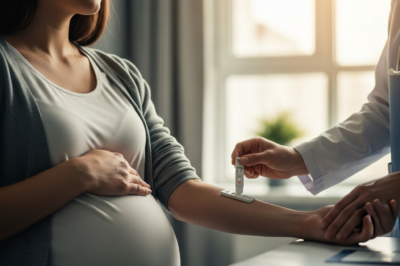
Early detection remains a challenge, particularly in low-resource settings where laboratory facilities may be scarce. Traditional microscopy, while accurate, requires specialized training and equipment. To bridge this gap, Rapid Diagnostic Tests (RDTs) have become a vital tool in the field. These tests allow healthcare workers to diagnose malaria in minutes using a simple finger-prick blood sample. However, standard RDTs may sometimes fail to detect low-level infections or placental malaria where parasites are not circulating in the peripheral blood. This has led to a push for more sensitive diagnostic technologies, such as highly sensitive RDTs and molecular methods like Polymerase Chain Reaction (PCR), though the latter remains too expensive for routine use in many areas. The Deccan Chronicle report emphasizes that if healthcare providers can identify the infection in its earliest stages, the treatment is highly effective and the risks to both mother and child are drastically reduced. Education for pregnant women to seek care at the first sign of illness is equally important in ensuring these diagnostic tools are used effectively.
Socio-Economic Barriers and the Path to Eradication
Despite the availability of preventive measures, several socio-economic barriers hinder the successful eradication of malaria in pregnancy. Poverty remains a major factor, as many women cannot afford the transport costs to reach distant health clinics. Cultural beliefs and a lack of health literacy can also lead to delays in seeking medical help. Furthermore, the rising threat of drug resistance and insecticide resistance poses a significant challenge to current control efforts. To overcome these obstacles, a multi-faceted approach is required. This includes strengthening healthcare infrastructure, ensuring a steady supply of antimalarial drugs and nets, and engaging community leaders to promote the importance of antenatal care. Investing in maternal health is not just a medical necessity; it is an economic imperative. When women are healthy and their children are born at a healthy weight, communities are more resilient and productive. The fight against malaria in pregnancy is a fight for the future of global health, requiring sustained political will and international cooperation.
Conclusion: A Call for Integrated Maternal Healthcare
The message from health experts and journalists alike is clear: malaria in pregnancy is a preventable and treatable condition, yet it continues to claim lives due to a lack of resources and awareness. By integrating malaria prevention and treatment into standard antenatal care packages, we can ensure that every pregnant woman has the opportunity to deliver a healthy baby. The dual goal of saving both the mother and the child is achievable through the scale-up of IPTp, the distribution of treated nets, and the implementation of advanced diagnostic screening. As we move forward, the focus must remain on reaching the most vulnerable populations in rural and underserved areas. Only through a dedicated and comprehensive effort can we hope to eliminate the shadow of malaria from the experience of motherhood, ensuring a safer and healthier start for every new life.






































Leave a Reply