
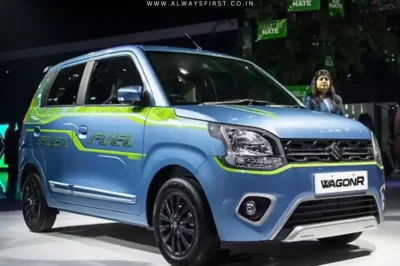
In Shorts:
- Timeline Confirmed: Maruti Suzuki’s first Flex-Fuel Vehicle (FFV) for the Indian market is officially slated for a March 2026 launch.
- Tech Specs: The car will be equipped with a strong hybrid system, enhancing fuel efficiency when running on high-ethanol blends like E85.
- Strategic Goal: The initiative supports India’s goal of 20% ethanol blending (E20) by 2025-26, aiming to cut oil imports and reduce carbon emissions.
NEW DELHI – In a significant step towards a greener automotive future, Maruti Suzuki India Limited is steering towards the launch of its first domestically produced flex-fuel vehicle (FFV). The company’s Managing Director, Hisashi Takeuchi, has officially confirmed that the model is on track for a commercial debut in March 2026.
This development marks a pivotal moment in India’s automotive landscape, aligning perfectly with the central government’s ambitious ethanol blending program. The initiative aims to achieve a 20% blend of ethanol with petrol (E20) across the nation by the 2025-26 financial year.
Flex-fuel technology allows vehicles to run on a wide range of fuel mixtures, from pure petrol to blends containing up to 85% ethanol (E85). A key highlight of Maruti Suzuki’s upcoming offering is its planned integration with a strong hybrid electric system. This dual-tech approach is designed to optimize performance and maximize fuel economy, particularly when the vehicle is operating on higher ethanol concentrations, which traditionally have lower energy density than pure gasoline.
“The introduction of flex-fuel vehicles, especially when paired with hybrid electric technology, is a crucial strategy for enhancing India’s energy security,” Takeuchi stated. He emphasized that this move will significantly contribute to reducing the country’s massive crude oil import bill, a longstanding economic concern.
Beyond the macroeconomic benefits, the push for FFVs is expected to create a positive ripple effect in the agricultural sector. Ethanol is primarily derived from sugarcane and food grain surpluses. Therefore, a heightened demand for ethanol will directly benefit farmers, provide a stable revenue stream for sugar mills, and contribute to a circular economy.
While the specific model that will pioneer this technology remains under wraps, industry speculation is rife. The popular models like the Ertiga or Brezza, known for their high sales volumes, are considered strong contenders to be the first to receive the flex-fuel hybrid powertrain.
Maruti Suzuki’s announcement solidifies a growing industry trend towards alternative fuels. As the March 2026 deadline approaches, all eyes will be on India’s largest carmaker to see how it accelerates the nation’s transition towards sustainable and self-reliant mobility solutions.




































Leave a Reply