
Introduction: A New Perspective on Respiratory Intervention
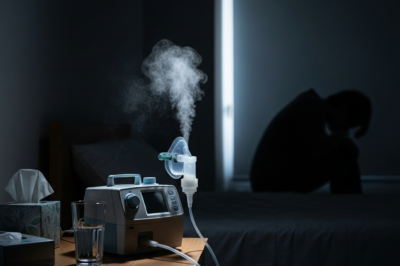
In the realm of respiratory medicine, the nebuliser has long been hailed as a cornerstone of treatment for patients suffering from Chronic Obstructive Pulmonary Disease (COPD). However, a provocative new study recently highlighted in the European Medical Journal (EMJ) has sent ripples through the global medical community, suggesting a complex and potentially concerning link between frequent nebuliser use and the severity of COPD outcomes. For decades, the ability to deliver high-dose bronchodilators and corticosteroids via a fine mist was seen as the gold standard for managing acute exacerbations and maintaining patients with low inspiratory flow. Yet, the EMJ report challenges these long-standing norms, calling for a more nuanced understanding of how this delivery system interacts with the pathophysiology of diseased lung tissue. As we delve into the specifics of this research, it becomes clear that the conversation surrounding respiratory care is about to undergo a significant paradigm shift. This article explores the depth of these findings, the historical context of nebulisation, and the potential implications for millions of patients worldwide who rely on these devices to breathe.
The Evolution and Mechanics of Nebulisation in Modern Medicine
To understand why the EMJ findings are so significant, one must first appreciate the history and mechanics of the nebuliser. Unlike Metered-Dose Inhalers (MDIs) or Dry Powder Inhalers (DPIs), which require a certain level of coordination and inspiratory effort, nebulisers convert liquid medication into an aerosol mist that can be inhaled through a mask or mouthpiece during normal breathing. This ease of use made them the preferred choice for elderly patients, those in the midst of a severe flare-up, or individuals with physical limitations. Historically, the transition from primitive steam-based inhalers to modern ultrasonic and jet nebulisers was seen as a triumph of medical engineering, allowing for targeted drug delivery to the bronchioles. However, the very nature of this delivery—sustained, high-volume, and often less controlled than a discrete puff—is what the EMJ study now brings into question. The study suggests that while nebulisers are effective at delivering medication, the frequency of their use may correlate with a more rapid decline in lung function or reflect a level of disease severity that is not being adequately managed by other means.
Deconstructing the EMJ Findings: A Paradigm Shift
The core of the European Medical Journal’s report centers on a longitudinal analysis of patient outcomes where nebuliser use was a primary variable. Researchers observed that patients who utilized nebulisers daily, particularly those using them as a primary mode of bronchodilation rather than an emergency measure, showed higher markers of airway inflammation and a more significant decrease in Forced Expiratory Volume (FEV1) over time. This correlation raises a ‘chicken or the egg’ dilemma: are nebulisers contributing to the severity of the COPD, or is their frequent use simply a marker for patients who already have the most aggressive forms of the disease? The EMJ analysis leans toward a multifaceted answer, suggesting that excessive nebulisation may lead to ‘tachyphylaxis’—a rapid decrease in response to a drug—or that the moisture and particles delivered could, in some specific environments, facilitate the introduction of pathogens or irritants deeper into the lower respiratory tract if the devices are not meticulously maintained. This shift in thinking moves the focus from the efficacy of the drug to the impact of the delivery vehicle itself.
The Risks of Over-Reliance: Understanding the Statistical Link
Statistically, the EMJ report indicates that patients relying on nebulisers multiple times a day were 30% more likely to experience a ‘severe’ COPD classification within a five-year window compared to those using traditional inhalers with spacers. This statistic is alarming for healthcare providers who have traditionally viewed the nebuliser as a ‘safety net.’ The study highlights that the high-dose delivery inherent in nebulisation can sometimes mask the underlying worsening of the disease. Patients may feel temporary relief from the massive dose of bronchodilators, leading them to delay seeking more comprehensive interventions such as pulmonary rehabilitation or adjustments to their long-acting maintenance therapy. Furthermore, the statistical data suggests that the lack of precision in nebulisation—where a significant portion of the medication often ends up in the back of the throat or is lost to the air—may lead to inconsistent dosing, further complicating the clinical picture of the patient’s stability.
Physiological Impact: How Frequent Use Might Affect Lung Elasticity
Beyond the statistics, the physiological concerns raised by the EMJ are profound. COPD is characterized by the destruction of alveoli and the loss of lung elasticity. The introduction of high-velocity mist into these fragile environments must be handled with care. Some experts cited in the journal suggest that the cooling effect of certain aerosolized medications or the pH levels of specific liquid formulations could trigger ‘bronchospasm’ in hyper-reactive airways, ironically worsening the very condition the treatment is meant to alleviate. There is also the concern of ‘humidity-induced airway narrowing’ in a subset of patients. When the lungs are bombarded with moisture-laden air for 10 to 20 minutes several times a day, the local environment of the lung changes. For a healthy individual, this is negligible; however, for a patient with severe COPD, whose mucociliary clearance is already compromised, this additional moisture may contribute to mucus plugging or provide a breeding ground for bacteria, leading to the frequent infections that define ‘severe’ COPD progression.
Clinical Implications for Chronic Respiratory Management
The clinical implications of this study are vast, requiring a re-evaluation of how General Practitioners and Pulmonologists prescribe home-based nebulisation. The EMJ suggests that nebulisers should perhaps be reserved for ‘rescue’ scenarios rather than routine maintenance. This would necessitate a greater emphasis on training patients to use MDIs with spacers effectively, as spacers have been shown in various studies to deliver medication to the lower lungs just as effectively as nebulisers when used with the correct technique. Additionally, the study calls for stricter hygiene protocols. Because nebulisers are frequently reused, the risk of biofilm formation in the tubing and medication cup is high. If patients with already compromised immune systems are inhaling air passed through contaminated equipment, the resulting exacerbations could be what is driving the link to ‘severe’ disease. Clinicians are now being urged to perform regular ‘device audits’ with their patients to ensure that the equipment is not only necessary but also sterile and functioning correctly.
Future Outlook: Advancing Inhalation Therapy Beyond the Nebuliser
Looking forward, the medical community is likely to pivot toward smarter, more targeted delivery systems. The EMJ report serves as a catalyst for the development of ‘smart inhalers’ that track usage and inspiratory flow, providing real-time data to both the patient and the physician. By moving away from the ‘one-size-fits-all’ approach of the traditional nebuliser, medicine can become more personalized. We may see a rise in the use of ‘soft mist inhalers’ (SMIs), which aim to provide the benefits of a nebuliser’s slow-moving mist with the portability and precision of a handheld device. Furthermore, the research underscores the importance of addressing COPD as a systemic inflammatory disease rather than just an airway obstruction. The link between nebuliser use and severe outcomes serves as a reminder that medication delivery is only one piece of the puzzle; lifestyle changes, smoking cessation, and early intervention remain the most potent tools in our arsenal. As more data emerges, the guidelines for COPD management will undoubtedly be updated to reflect a more cautious and evidence-based approach to nebulisation.
Conclusion: Balancing Relief with Long-Term Lung Health
The findings published in the European Medical Journal do not suggest that the nebuliser is an obsolete tool, but rather that its role in the management of Chronic Obstructive Pulmonary Disease must be carefully scrutinized. The link between its frequent use and severe disease outcomes is a clarion call for better patient education, more rigorous clinical monitoring, and a move toward more controlled delivery methods. For the millions of people living with COPD, the goal is not just to find immediate relief from breathlessness but to preserve lung function for as long as possible. As we integrate these new insights into clinical practice, the focus must remain on the long-term health of the patient, ensuring that the treatments we provide today do not inadvertently complicate the health challenges of tomorrow. The respiratory community now stands at a crossroads, where the data from the EMJ will guide the next generation of life-saving interventions, ensuring that every breath taken is as effective and safe as possible.







































Leave a Reply