
The Dawn of the Invisible Wearable Era
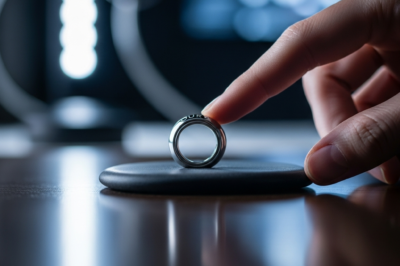
In a move that has sent ripples through the consumer electronics industry, Oura, the Finnish health technology pioneer, has officially pulled the curtain back on its most ambitious project to date: the Oura Ring 4. This latest iteration is not merely a seasonal update; it represents a fundamental shift in wearable engineering. By shrinking the internal components and refining the structural architecture, Oura has managed to reduce the device’s overall design footprint by an astounding 40% compared to its predecessors. This breakthrough addresses one of the most significant barriers to entry for smart rings: the bulkiness that often makes them feel like cumbersome pieces of technology rather than elegant jewelry. The Oura Ring 4 aims to blend into the user’s life so seamlessly that it becomes practically invisible, all while providing more accurate and comprehensive health data than ever before.
For years, the smart ring market was a niche segment of the broader wearable landscape, dominated largely by Oura. However, with the recent entry of tech giants like Samsung and the rumored interest from Apple, the pressure has mounted for Oura to innovate. The Ring 4 is their definitive answer to the competition. It isn’t just about making the ring smaller; it is about solving the inherent physics problems associated with miniaturized sensors. When a device becomes smaller, the signal-to-noise ratio typically suffers, and battery life is often the first casualty. Oura’s engineering team has reportedly overcome these hurdles through a proprietary new platform they call ‘Smart Sensing,’ which ensures that even with a reduced physical profile, the quality of data remains gold-standard.
Engineering Marvel: The Physics of the 40% Reduction
To understand the magnitude of a 40% reduction, one must look at the internal anatomy of a smart ring. A traditional smart ring contains a battery, a Bluetooth antenna, a micro-controller, and an array of sensors including infrared LEDs, photodetectors, and accelerometers. In the Oura Ring 4, these components have been re-engineered using high-density circuitry and a recessed sensor design. Unlike the previous generation, which featured visible bumps on the inner band to ensure skin contact, the Ring 4 boasts a completely smooth interior. This ‘all-titanium’ interior not only increases comfort but also utilizes a sophisticated algorithm to maintain sensor accuracy regardless of how the ring rotates on the finger.
The reduction in size is particularly impressive given that Oura has maintained, and in some cases improved, the battery life. By optimizing the power draw of the Bluetooth Low Energy (BLE) radio and utilizing a more efficient power management integrated circuit (PMIC), the Ring 4 can last up to eight days on a single charge. This balance of size and longevity is the ‘holy grail’ of wearable design. Furthermore, the use of aerospace-grade titanium for both the outer and inner shell provides a structural integrity that allows the walls of the ring to be thinner without sacrificing durability. This is a crucial distinction for a device intended to be worn 24/7, through workouts, sleep, and daily chores.
Smart Sensing: The Core Innovation
The centerpiece of the Oura Ring 4 is the ‘Smart Sensing’ platform. In previous generations, the accuracy of the biometric data—such as heart rate, blood oxygen levels (SpO2), and respiratory rate—was highly dependent on the ring being perfectly aligned with the arteries on the underside of the finger. If the ring slipped or rotated during sleep, the data could become fragmented. Smart Sensing solves this by utilizing 18 different signal pathways, compared to the 8 found in the Gen 3 model. This multi-path approach allows the ring to automatically select the clearest signal from the available sensors at any given moment.
This adaptability is powered by a new AI-driven algorithm that compensates for finger physiology changes. Our fingers change size throughout the day due to temperature, hydration, and activity levels. By having a higher density of sensors and more pathways for light to travel through the tissue, the Oura Ring 4 ensures that the data stream remains uninterrupted. This is particularly vital for features like ‘Symptom Radar,’ which monitors shifts in body temperature and heart rate variability (HRV) to alert users when they might be getting sick. The increased sensitivity of the Ring 4 makes these early warnings more reliable than ever.
The Aesthetic Shift: From Gadget to Jewelry
One of the primary criticisms of smart rings has been their aesthetic appearance. Often thicker than a standard wedding band, they can feel out of place in formal settings or on smaller hands. Oura has addressed this by offering the Ring 4 in an expanded range of sizes, from 4 to 15, ensuring a better fit for a wider demographic. The 40% reduction in design volume translates to a profile that is much closer to traditional jewelry. The ring is available in several finishes, including Brushed Silver, Gold, Rose Gold, and a new ‘Stealth’ matte black, all achieved through a physical vapor deposition (PVD) process that ensures the color is scratch-resistant.
This focus on aesthetics is a strategic move to capture the ‘lifestyle’ segment of the market. While fitness trackers like those from Garmin or Fitbit are clearly sports-oriented, Oura is positioning itself as a holistic wellness companion that complements a person’s style. By removing the interior sensor bumps, the ring no longer leaves indentations on the skin, making it comfortable enough to wear during heavy lifting or cycling—activities where previous smart rings might have caused discomfort. The Oura Ring 4 is a testament to the philosophy that technology is at its best when it gets out of the way and lets the user live their life.
The Competitive Landscape: Oura vs. The World
The timing of the Oura Ring 4 launch is no coincidence. With the recent debut of the Samsung Galaxy Ring, the market for finger-based wearables has reached a boiling point. Samsung’s entry brought the power of a massive ecosystem and deep integration with Android devices. However, Oura remains the only major player that offers full compatibility with both iOS and Android, a significant advantage for iPhone users who are currently underserved by the smart ring market. Furthermore, Oura’s decade-long head start in data collection and clinical validation gives them an edge in software maturity.
While competitors are focusing on basic step counting and sleep tracking, Oura is moving into deeper health insights. The new Oura App, redesigned alongside the Ring 4, introduces ‘Bio-Age’ and ‘Cardiovascular Age’ metrics. These features compare a user’s physiological data against a massive database of anonymized Oura users to provide a more relatable understanding of their long-term health. The competition is also heating up in the realm of specialized health tracking, such as cycle tracking and metabolic health. Oura’s partnership with Natural Cycles and its continuous improvements in stress monitoring position it as a more comprehensive ‘health dashboard’ compared to the hardware-centric approach of some rivals.
A Transformed Software Experience
The hardware is only half of the story. The Oura Ring 4 launch coincides with a total overhaul of the Oura mobile app. The new interface is divided into three primary views: Today, Wellness, and My Health. The ‘Today’ view provides a snapshot of the user’s readiness, sleep, and activity scores, but with a new ‘Dynamic’ feature that surface-levels the most relevant data based on the time of day. For example, in the morning, the app prioritizes sleep analysis and recovery metrics, while in the evening, it focuses on stress management and wind-down suggestions.
The ‘Wellness’ tab offers a library of guided meditations, breathwork sessions, and educational content, while ‘My Health’ provides a long-term view of trends. This tiered approach makes the vast amount of data collected by the Ring 4 more digestible. One of the most talked-about new software features is the ‘Activity Hub,’ which now automatically detects over 40 different types of activities without the user needing to manually start a workout. By combining the Ring 4’s improved accelerometer data with advanced heart rate tracking, Oura is finally closing the gap with dedicated fitness watches in terms of workout recognition and calorie burn accuracy.
The Future Outlook: Towards Proactive Healthcare
The Oura Ring 4 is more than just a consumer gadget; it is a precursor to a future where healthcare is proactive rather than reactive. By providing continuous, medical-grade monitoring in a form factor that users actually want to wear, Oura is collecting the kind of longitudinal data that could eventually be used for early diagnosis of chronic conditions. We are already seeing the beginnings of this with the ring’s ability to track irregular heartbeats and respiratory anomalies. As the algorithms continue to evolve and the hardware continues to shrink, the line between a piece of jewelry and a medical diagnostic tool will continue to blur.
The significance of the 40% design reduction cannot be overstated. It proves that the limitations of wearable technology are being pushed back every year. As sensors get smaller and more power-efficient, we may eventually see smart rings that are indistinguishable from simple bands, yet capable of monitoring every vital sign in real-time. For Oura, the Ring 4 is a statement of dominance and a bold claim that they are not ready to cede their territory to the tech titans. It is a win for consumers who value both style and substance, offering a glimpse into a future where our technology knows us better than we know ourselves, helping us make better decisions for our health every single day.




































Leave a Reply